Grease Fires Start Here: How Dirty Filters Increase Risk
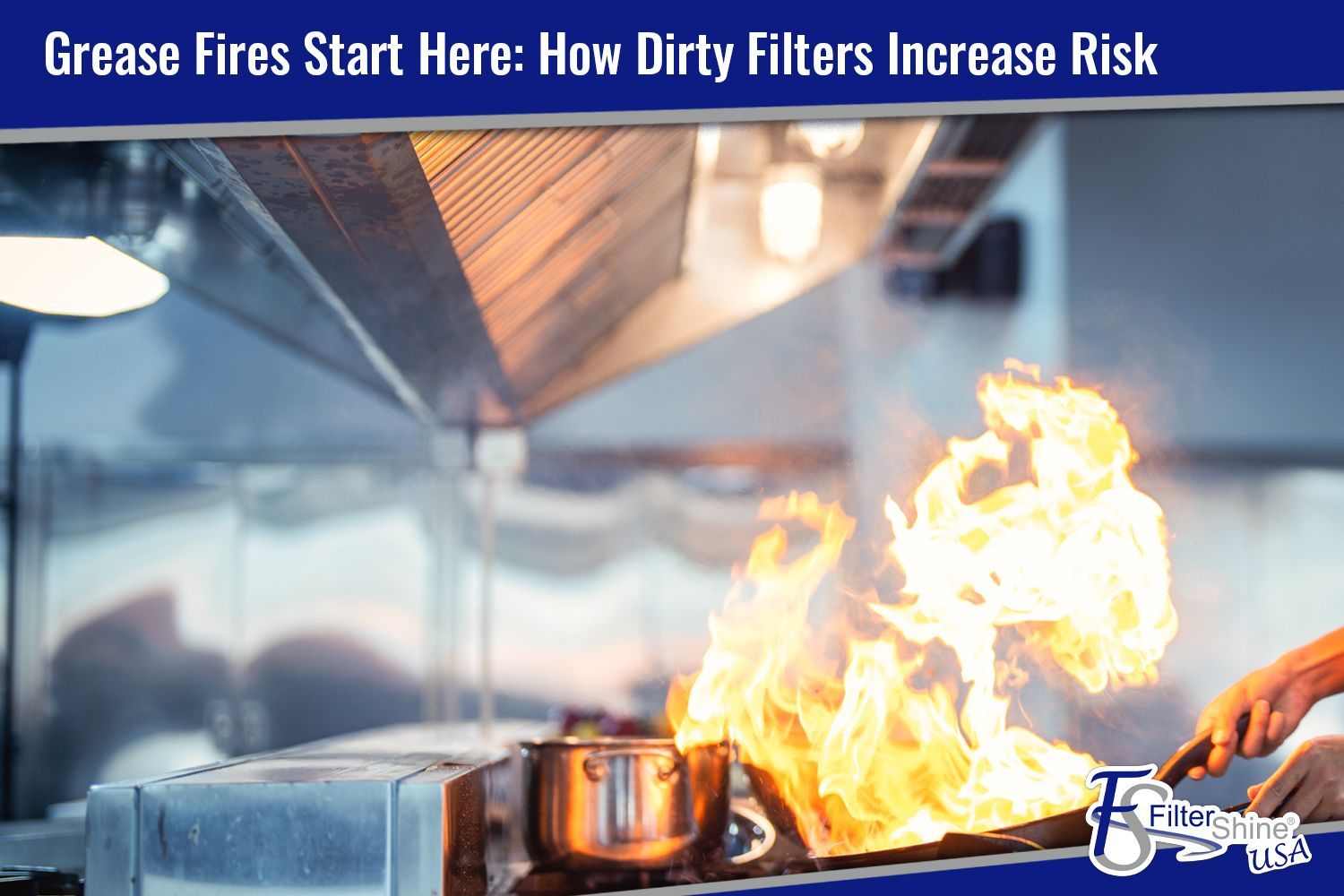
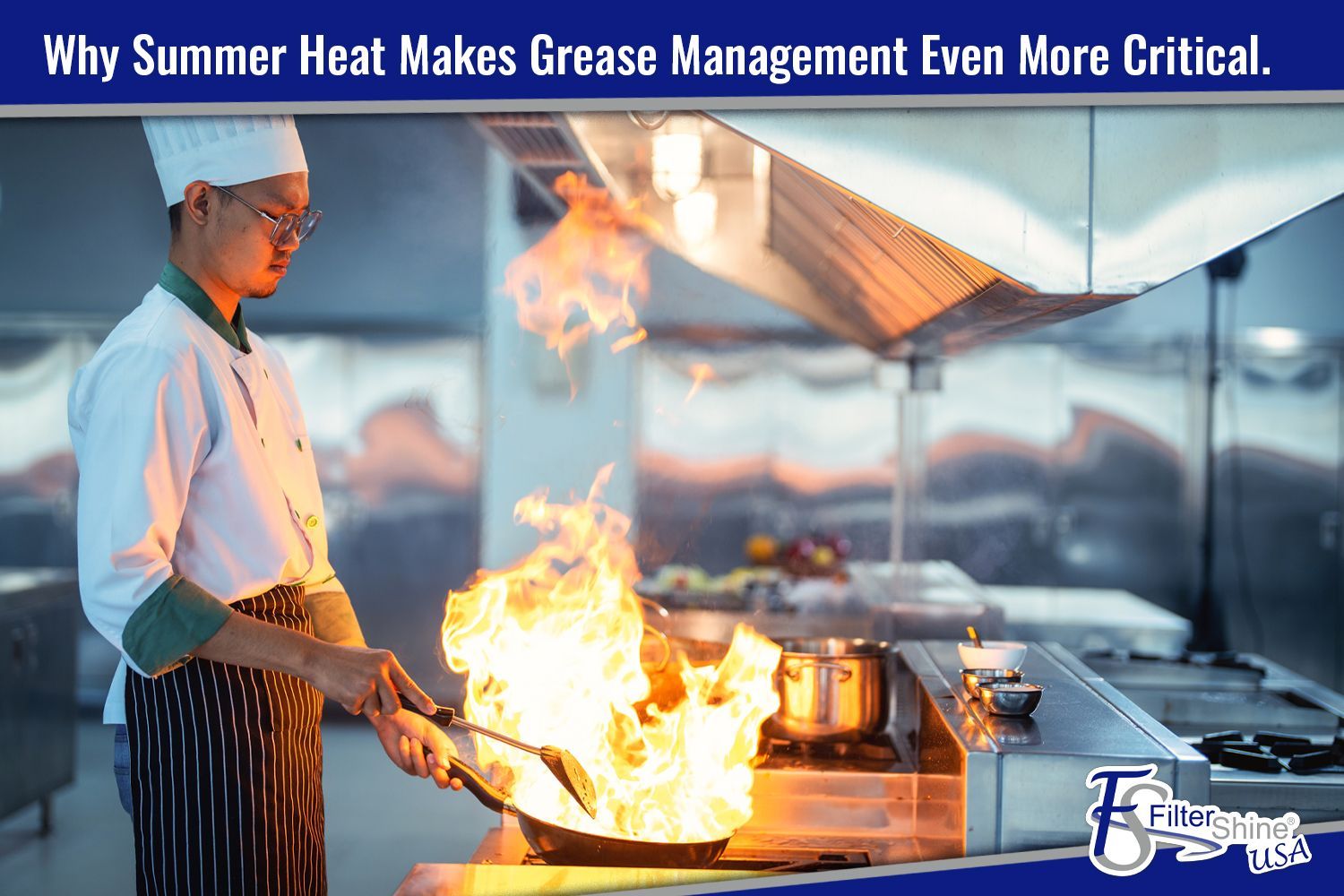
October is fire prevention month, making it an important time for restaurant operators and facility managers to take a closer look at one of the most significant hazards in any commercial kitchen: grease buildup.
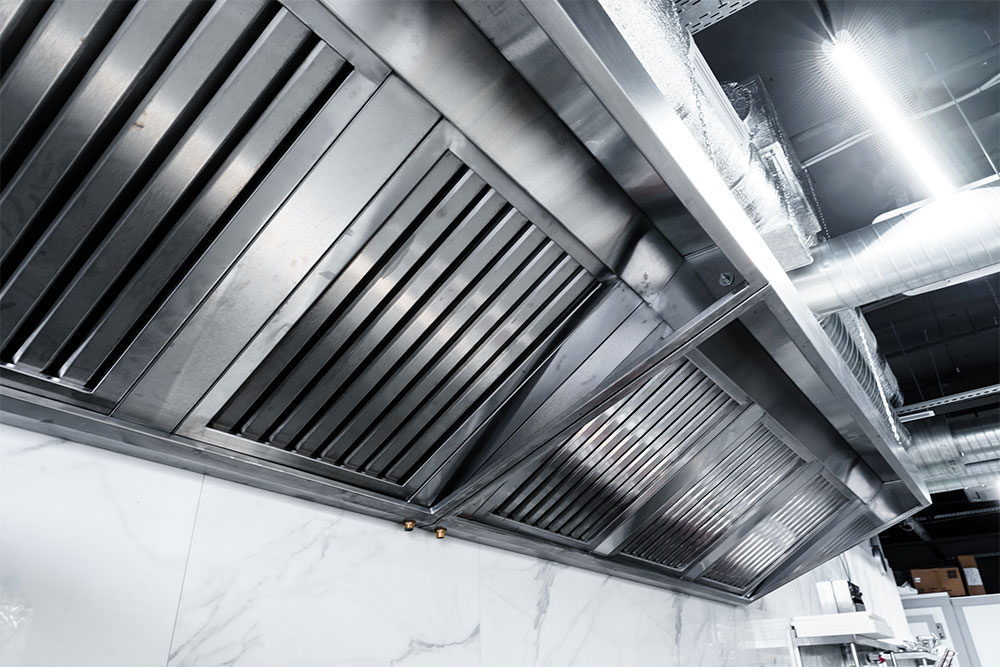
Commercial kitchens generate grease every day. While much of the focus is naturally placed on cooking equipment, fire prevention doesn’t stop at the cooktop. Grease-laden vapors rise into the kitchen exhaust system, where grease filters serve as an important first line of defense.
When those filters become overloaded with grease, they can become part of the problem instead of part of the solution.
Cooking Fires Remain a Serious Risk
The numbers make the importance of kitchen fire prevention clear.
According to the
U.S. Fire Administration, cooking remains the leading cause of nonresidential building fires. In 2024 alone, there were an estimated
33,200 nonresidential cooking fires, resulting in approximately
$41 million in property loss. Over the 10-year period from 2015 through 2024, nonresidential cooking fires increased by approximately 10 percent.
For restaurants specifically, historical
USFA data has consistently demonstrated the connection between cooking and fire risk. Restaurant fire data from 2011–2013 found that cooking accounted for approximately
64% of restaurant fires.
For restaurant operators, those statistics reinforce an important point: fire prevention needs to be part of routine kitchen maintenance—not something addressed only after a problem is discovered.
How Grease Buildup Increases Fire Risk
Every time food is fried, grilled, sauteed, or cooked with oils and fats, grease-laden vapors are released into the air.
Commercial grease filters are designed to capture grease particles before they travel farther into the exhaust system. As grease accumulates, however, filters require regular cleaning or replacement to continue doing their job effectively.
A heavily loaded filter creates an unnecessary concentration of combustible grease close to cooking equipment and heat sources.
If a cooking fire or flare-up reaches grease that has accumulated on filters or elsewhere in the exhaust system, that grease can provide additional fuel and allow the fire to spread beyond its original source.
That is why clean filters are more than an appearance issue. They are an important part of maintaining a safer commercial kitchen.
Dirty Filters Can Affect More Than Fire Safety
Fire risk may be the most urgent concern, but grease buildup can create other operational problems as well.
Filters clogged with grease can restrict airflow through the kitchen exhaust system. Poor airflow can contribute to excess heat, smoke, odors, and uncomfortable working conditions inside the kitchen while placing additional demands on the exhaust system.
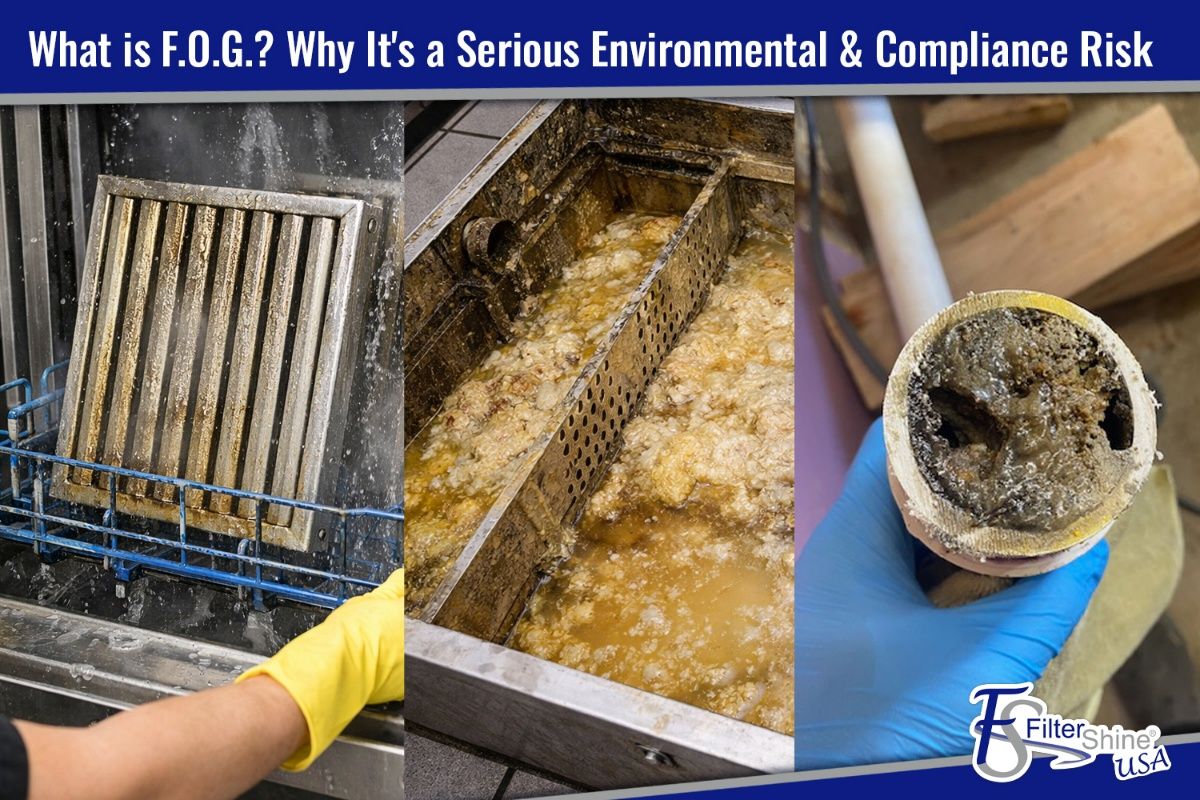
Grease management also extends beyond the hood. When grease isn't properly captured and managed, it can create problems throughout a facility and potentially contribute to environmental concerns.
Restaurant operators can learn more about responsible grease management by reviewing FilterShine USA's
Restaurant EPA Guidelines.
Why Scheduled Filter Exchange Makes a Difference
One of the challenges with grease filter maintenance is consistency.
During a busy week, removing filters, soaking them, scrubbing away hardened grease, allowing them to dry, and reinstalling them correctly can easily move down the priority list.
The problem is that grease doesn't stop accumulating just because the kitchen is busy.
A scheduled
Grease Filter Exchange Service helps remove that uncertainty.
Instead of relying on restaurant employees to determine when filters need cleaning, FilterShine USA establishes a regular service schedule based on the needs of the location. Dirty filters are removed and replaced with clean filters, helping kitchens maintain consistent filter conditions without adding another cleaning task to the staff's workload.
Scheduled exchange can help:
- Reduce excessive grease accumulation on filters
- Maintain more consistent airflow through the exhaust system
- Eliminate the need for employees to clean greasy filters in-house
- Keep filter maintenance on a predictable schedule
- Support a cleaner, safer commercial kitchen environment
Most importantly, scheduled service helps turn filter maintenance from a reactive task into a preventive one.
Fire Prevention Starts Before There Is a Flame
Fire Prevention Month is a good reminder that restaurant fire safety isn't limited to extinguishers, suppression systems, and emergency procedures.
It also includes routine maintenance that helps reduce hazards before a fire ever starts.
Grease filters are positioned directly above some of the hottest equipment in a commercial kitchen. Keeping them clean and serviced on a consistent schedule is a simple step restaurant operators can take to reduce unnecessary grease accumulation and support their overall fire-prevention program.
Don't wait until dirty filters become an obvious problem.
With
FilterShine USA's scheduled Grease Filter Exchange Service, your kitchen receives clean filters on a consistent schedule—without the soaking, scrubbing, mess, or guesswork of in-house filter cleaning.
Make Fire Prevention Month the time to put cleaner filters—and a more consistent maintenance schedule—at the top of your kitchen safety checklist.