NFPA 96 Explained: What Every Restaurant Operator Should Know
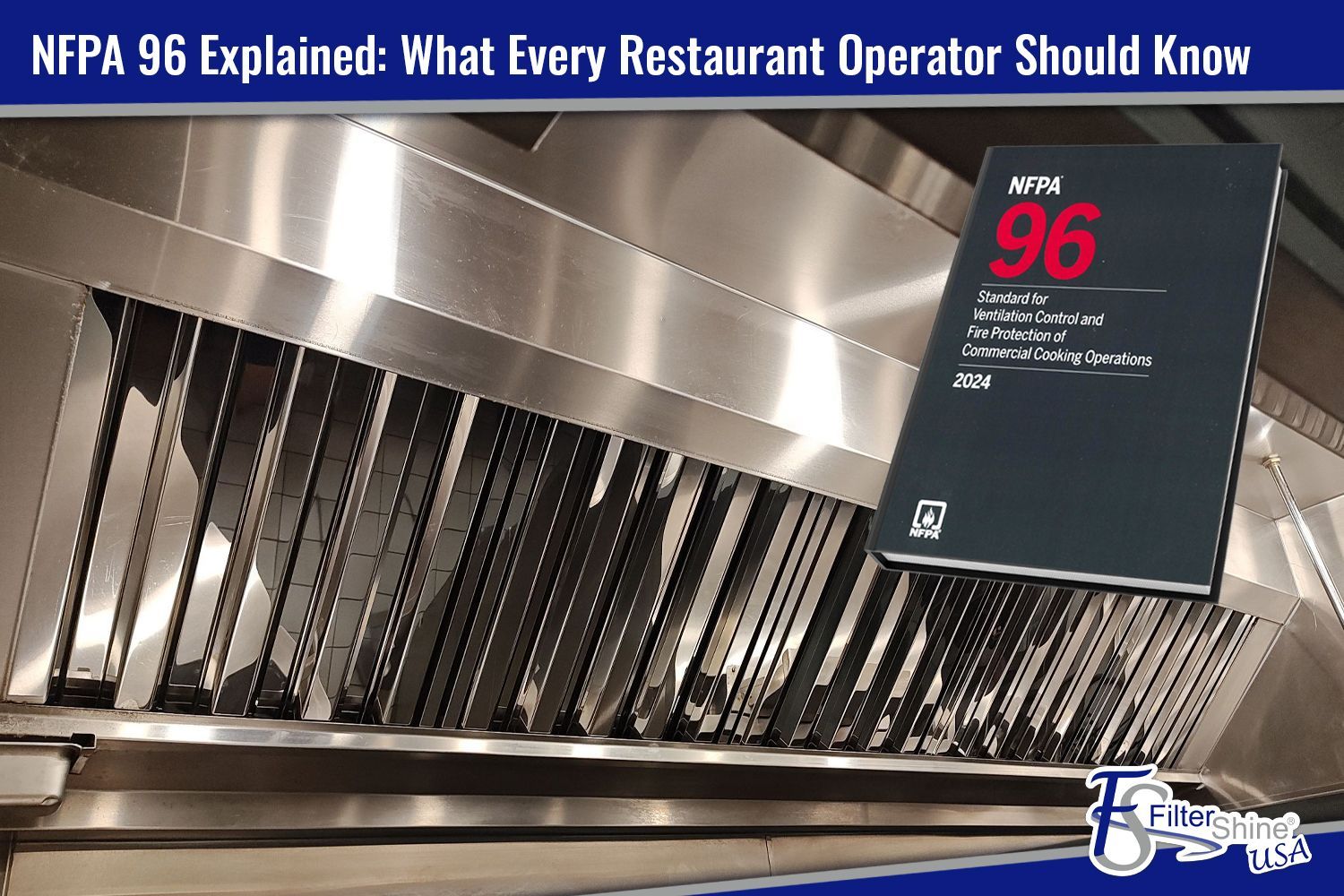
Running a restaurant requires constant attention to detail, from food quality and customer experience to staffing, efficiency, and safety. Among these priorities, fire prevention is one area that cannot be overlooked. Once of the most important standards governing kitchen fire safety is NFPA 96, the national benchmark for commercial cooking operations.
For restaurant owners, operators, and facility managers, understanding NFPA 96 is essential to protecting people, property, and long-term business operations.
At FilterShine USA, we support compliance through professional grease filter exchange services and grease containment services that help kitchen exhaust systems clean, safe, and inspection ready.
What is NFPA 96?
NFPA 96, developed by the National Fire Protection Association, establishes the standard for ventilation control and fire protection in commercial cooking environments. NFPA 96 provides preventive and operative fire safety requirements intended to reduce the potential fire hazard of both public and private commercial cooking operations.
NFPA 96 applies to all major components of commercial kitchen exhaust system, including:
- Kitchen hoods
- Grease filters
- Exhaust ductwork
- Exhaust fans
- Fire suppression systems
Because grease vapor is highly flammable, the standard places strong emphasis on routine maintenance, proper cleaning, and consistent inspection practices.
Why NFPA 96 Matters
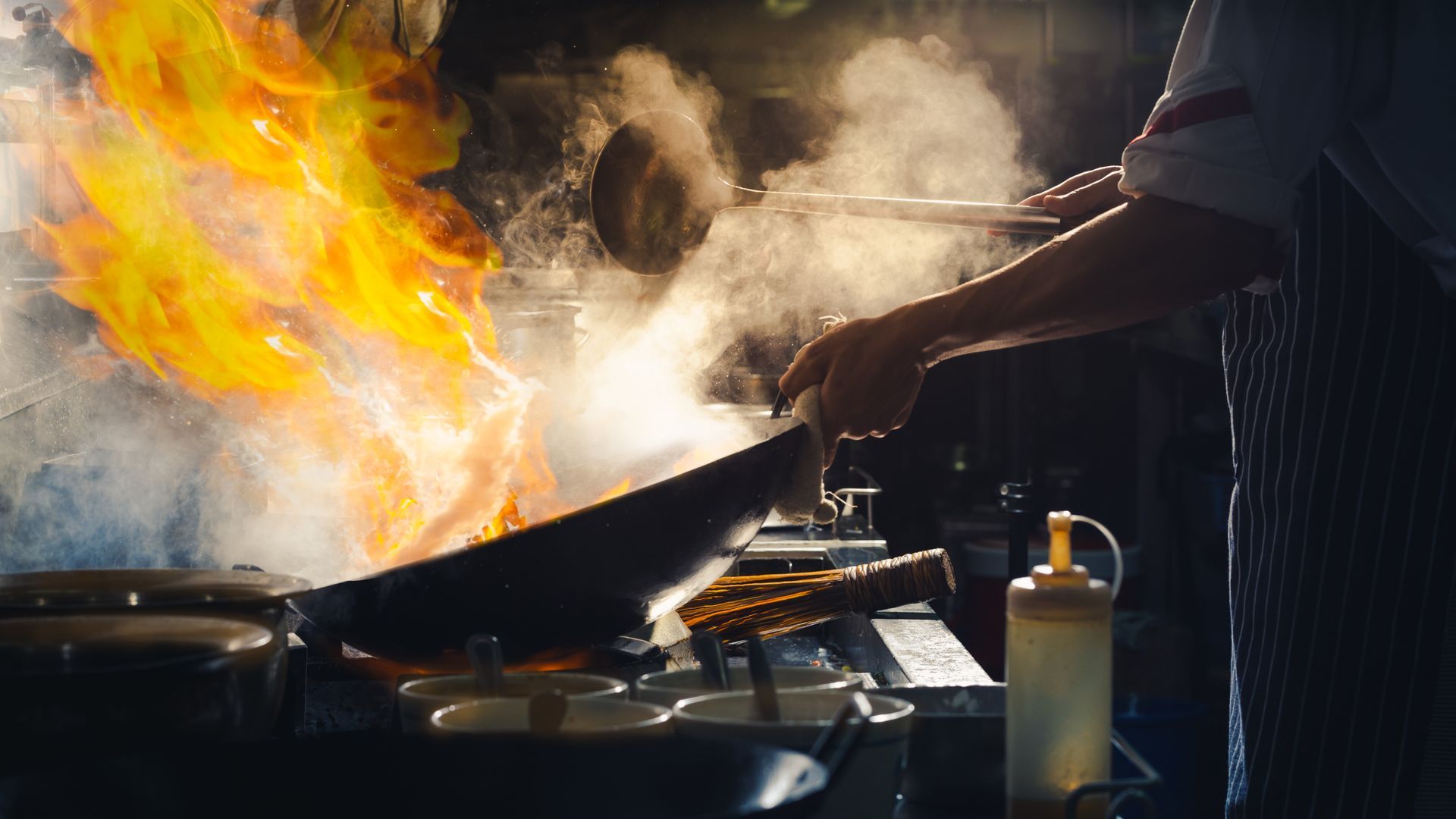
A significant number of restaurant fires originate within the kitchen exhaust system. As grease accumulates over time, it creates a highly combustible environment that can ignite and spread rapidly through ductwork and ventilation systems.
NFPA 96 exists to reduce that risk and protect both people and property. Compliance helps restaurants:
- Reduce the likelihood of fire incidents
- Improve employee and customer safety
- Meet local fire and health code requirements
- Stay prepared for inspections
- Avoid costly downtime, fines, or insurance complications
For operators, compliance is more than a regulatory requirement, it’s a critical part of maintaining operational stability and protection long-term profitability.
Fire Risk Prevention Starts with Your Filters
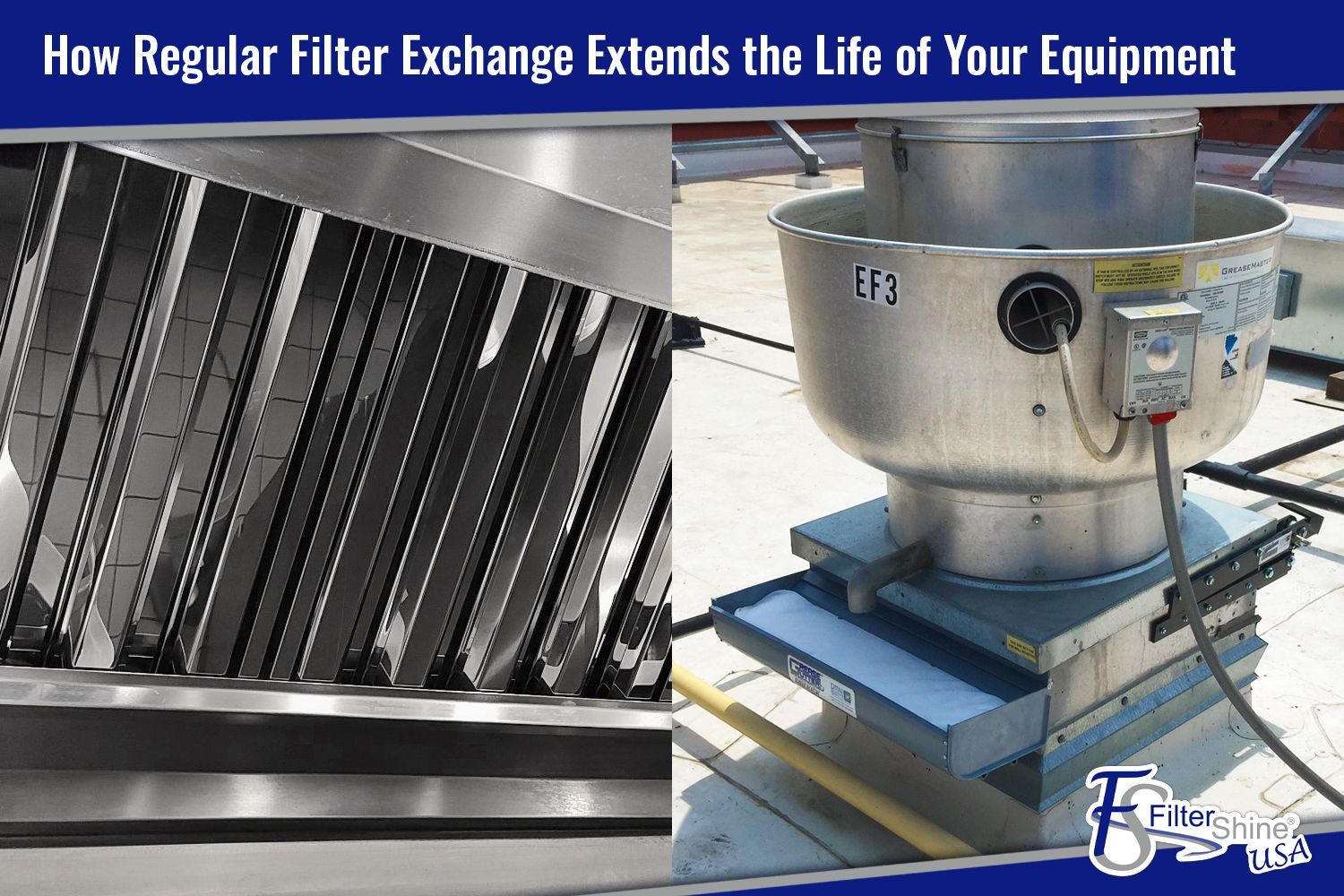
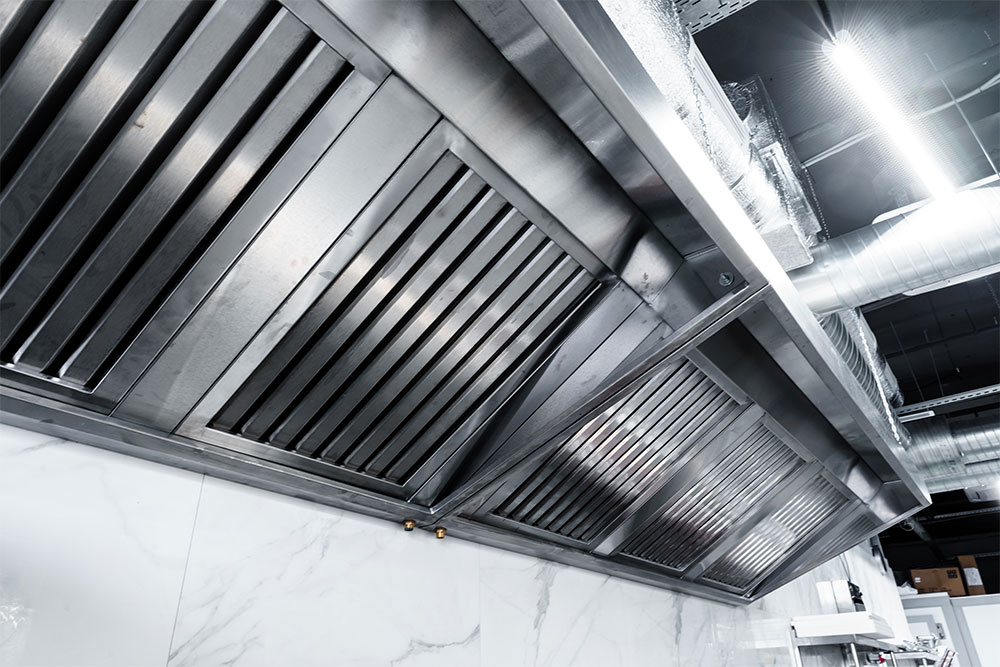
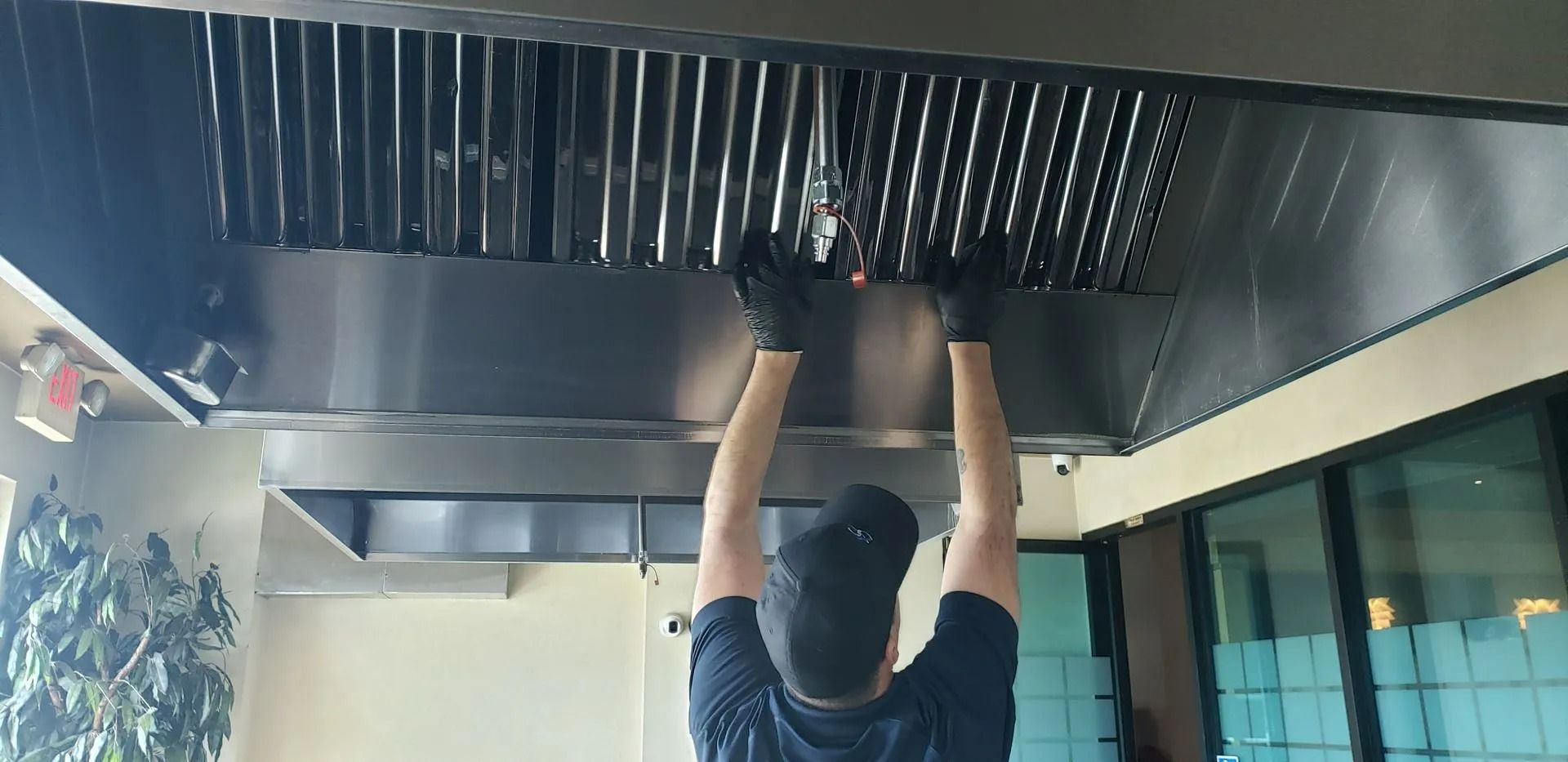
Grease filters are the first and most critical barriers to your kitchen exhaust system. Positioned directly within the hood, they are designed to intercept grease-laden vapors at the point of capture, before those particles have a chance to migrate into ductwork, exhaust fans, and other hard-to-reach areas of the system. By removing grease from the airstream early, filters play a direct role in reducing fire load, preserving equipment performance, and maintaining safe operation conditions.
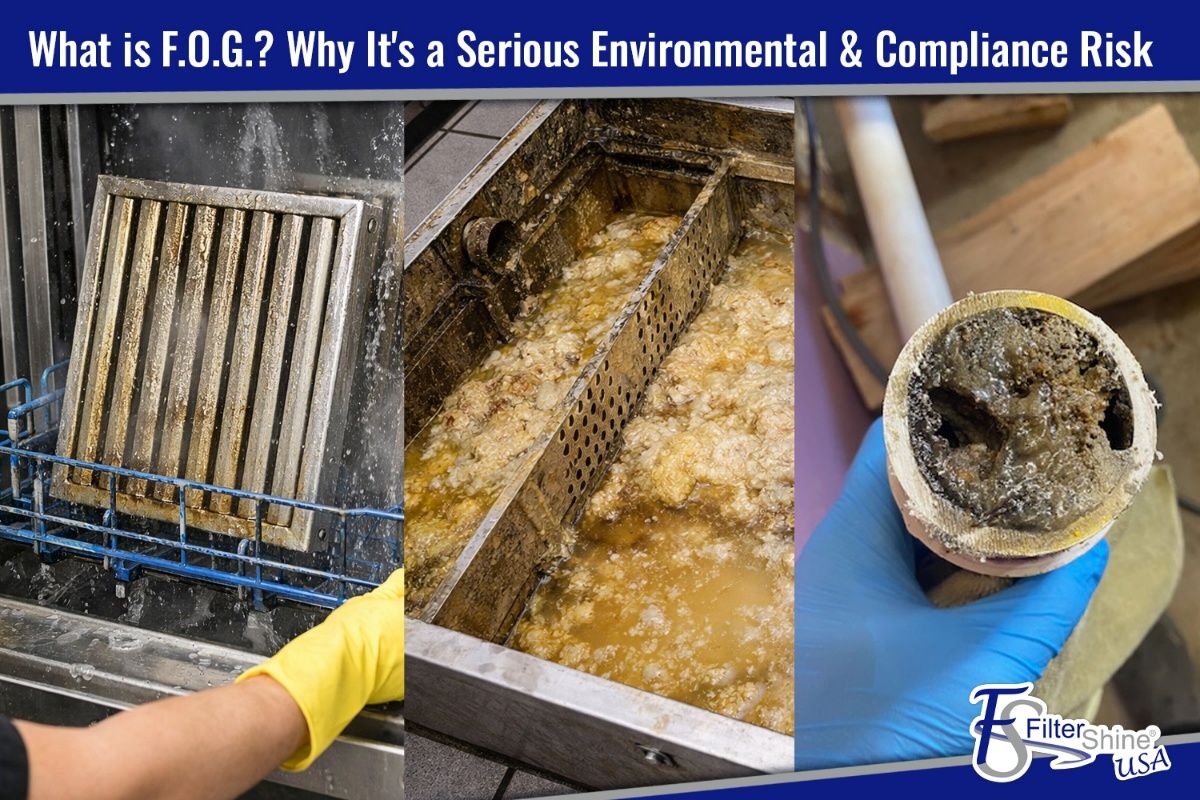
However, grease filters are only effective when they are clean, intact, and properly fitted. As filters become saturated, airflow is restricted, forcing the exhaust system to work hard to pull air through. This not only reduces ventilation efficiency but can also create negative pressure issues within the kitchen, impacting comfort and air quality. Even more concerning, clogged or poorly maintained filters allow grease to pass through into the duct system, where it accumulates over time and creates a highly combustible environment.
Damaged or ill-fitting filters introduce another layer of risk. Gaps, wiring, or improper installation can allow grease-laden vapors to bypass filtration entirely, accelerating buildup in areas that are more difficult and costly to clean. Over time, this hidden accumulation becomes a serious fire hazard and can compromise the overall integrity of the exhaust system.
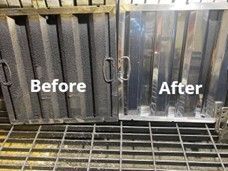
A professional filter exchange program eliminates these risks by ensuring that filters are consistently performing at their best, instead of relying on inconsistent in-house cleaning, scheduled exchanges provide a reliable cycle of clean, properly functioning filters that support both safety and efficiency.
With a structured exchange program in place, restaurants benefit from:
- Consistent replacement with clean, compliant filters that are ready to perform.
- Improved airflow, allowing exhaust systems to operate as designed
- Reduced grease accumulation in ducts, fans, and rooftop equipment
- A clean, more comfortable kitchen environment for staff
- Ongoing support for compliance with fire and safety standards such as NFPA 96
FilterShines scheduled filter exchange services are built around proactive maintenance. By staying ahead of grease buildup, restaurants can avoid the risks associated with neglect, reduce the likelihood of costly emergency cleanings, and maintain a higher standard of safety and operational performance every day.
Common NFPA 96 Compliance Mistakes
Even well-run kitchens can fall behind on compliance due to inconsistent maintenance practices. Some of the most common issues include:
- Extending cleaning intervals too long
- Using damaged or ill-fitting filters
- Overlooking exhaust fan maintenance
- Failing to document service and inspections
- Attempting in house cleaning without proper standards
These gaps increase risk and can lead to failed inspections or more serious safety concerns. Working with an experienced service partner helps eliminate these vulnerabilities.
Partner With FilterShine
At FilterShine, we understand that compliance, safety, and operational efficiency go hand in hand. Our grease filter exchange services are designed to simplify maintenance while helping restaurants align with NFPA 96 requirements.
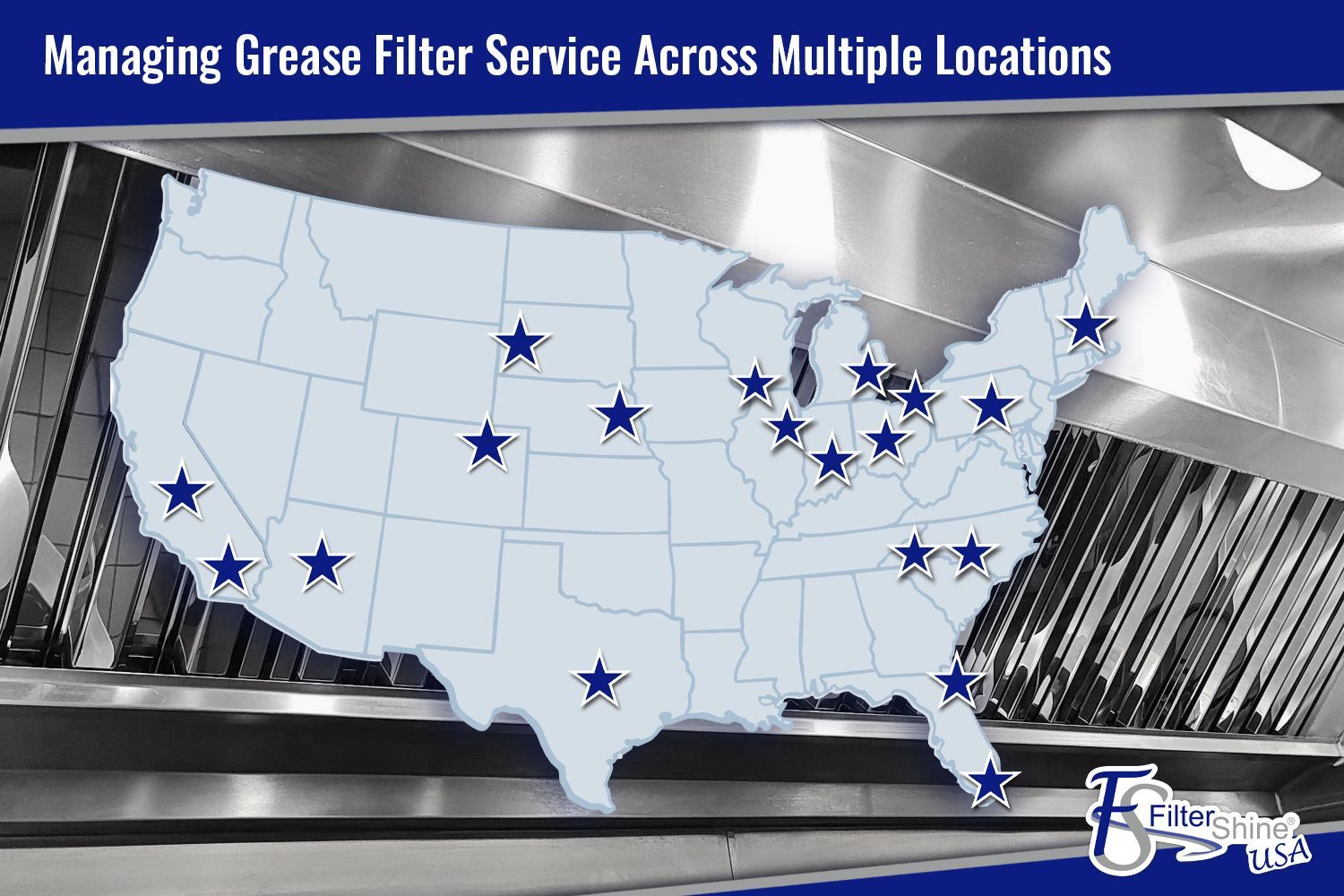
Whether you operate a single location or manage multiple facilities, our team delivers consistent,
dependable service that helps reduce the fire risk and keep your kitchen running smoothly.