Why Summer Heat Makes Grease Management Even More Critical
As temperatures and restaurants enter their busiest season, most operators focus on staffing, inventory, and customer demand. One critical area that often receives less attention is grease management.
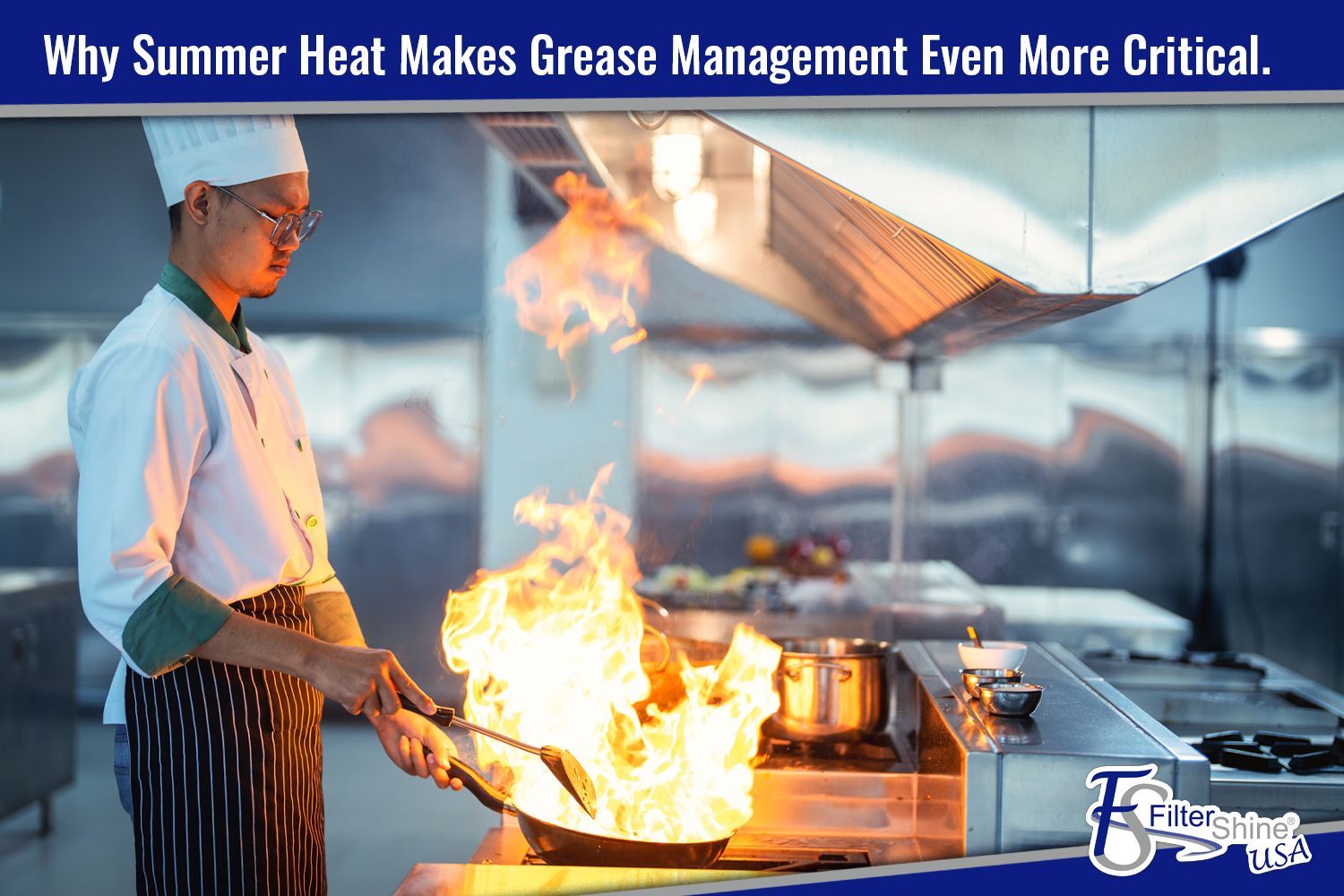
Summer conditions place additional stress on commercial kitchen exhaust systems. Increase cooking volume, higher ambient temperatures, and heavier grease vapor production can create the perfect environment for fire hazards, poor ventilation, and costly equipment issues.
For restaurant owners, facility managers, and multi-location operators, summer is the ideal time to evaluate
grease management practices and ensure exhaust systems are operating at peak performance.
Summer Brings More Cooking—and More Grease
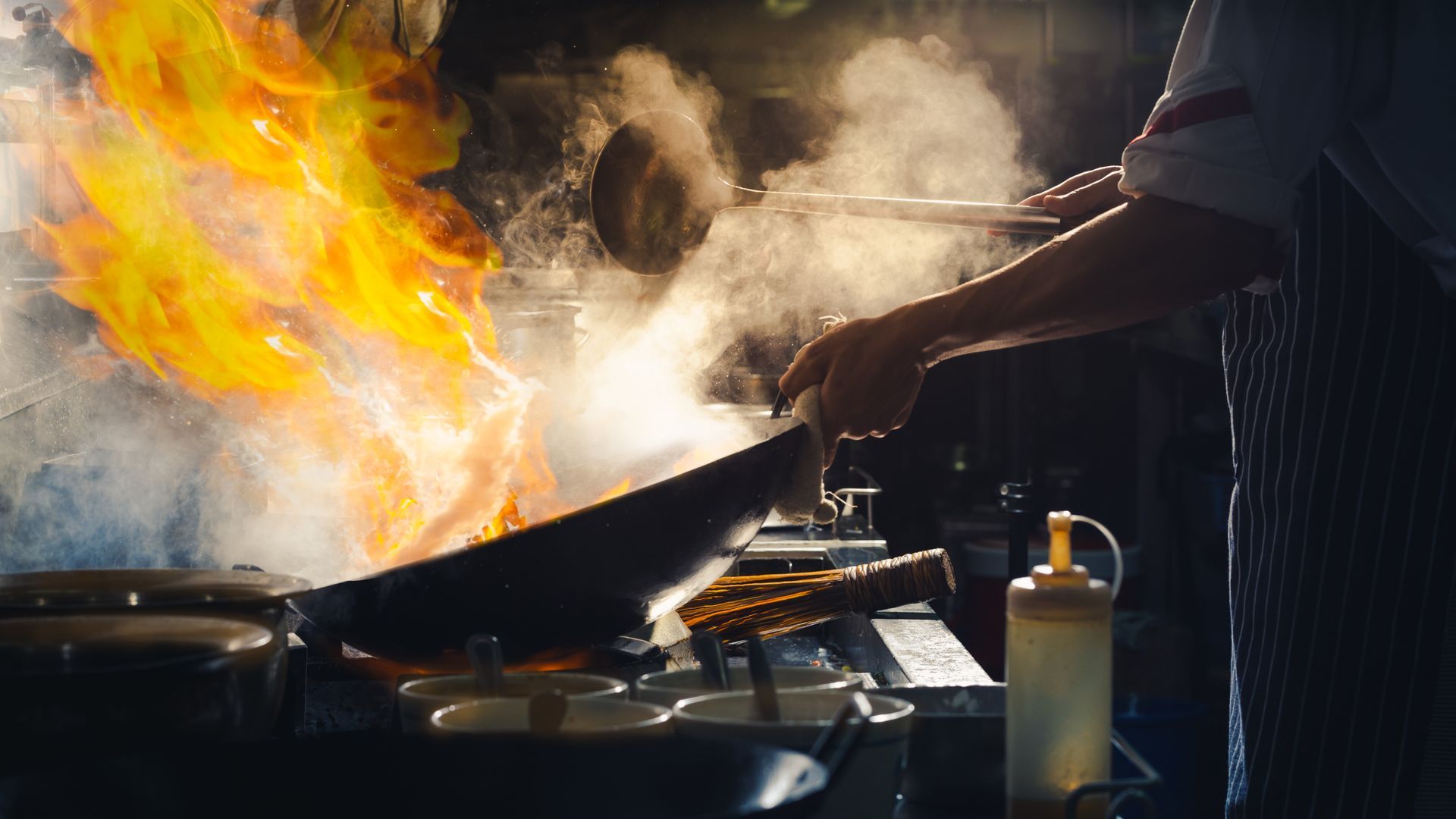
For many restaurants, summer means increased foot traffic, longer operating hours, and seasonal menu offerings that require more grilling, frying, and cooking.
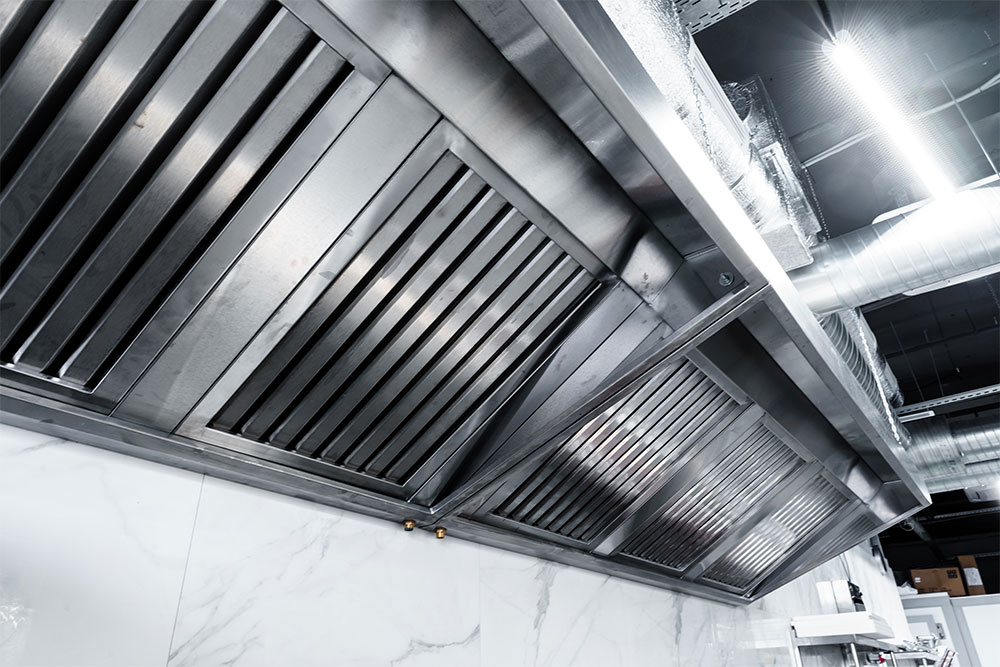
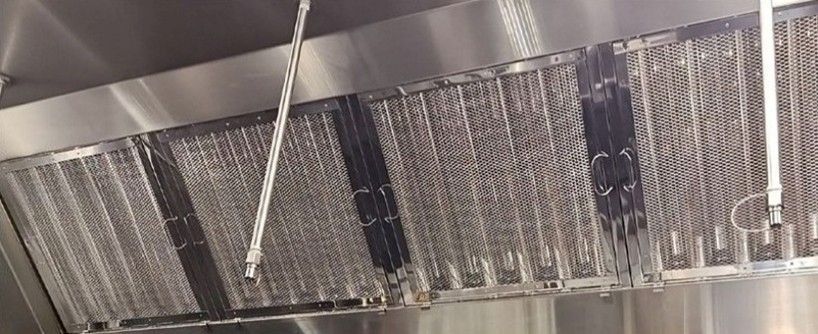
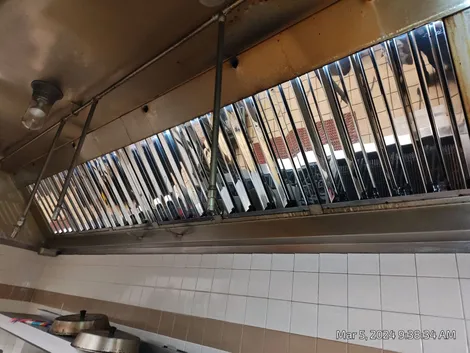
As kitchen activity increases, so does grease production. Every meal generates grease-laden vapors that are pulled into the exhaust system. While hood filters capture much of this grease, higher cooking volumes can cause filters to become saturated more quickly and lead to faster accumulation throughout the kitchen exhaust system.
Without a
proactive maintenance plan, operators may experience reduced kitchen exhaust system performance, increase grease buildup in ducts and exhaust fans, higher fire risks, and unnecessary strain on equipment.
The harder your kitchen works, the harder your grease management system must work as well.
Heat and Grease Vapors Create a Risky Combination
Commercial kitchens already operate in high-temperature environments. During the summer months, outdoor heat adds additional stress to both employees and equipment.
As cooking temperatures and kitchen activity increase,
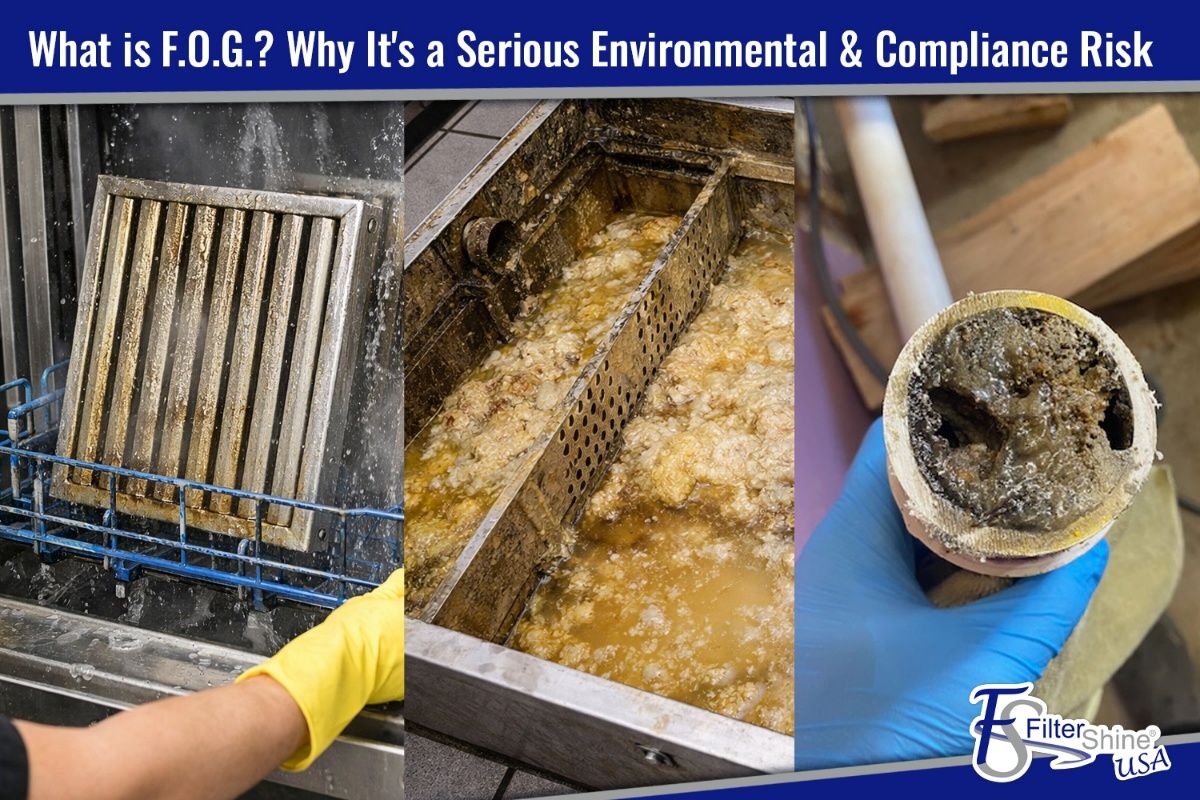
grease vapors become more prevalent. These airborne particles travel through the exhaust system and gradually accumulate on filters, ductwork, and exhaust fans. Over time, this buildup can restrict airflow, reduce system efficiency, increase odors, impact indoor air quality, and create potential fire hazards.
What may begin as a minor maintenance issue can quickly become a larger operational concern when heat and grease combine.
Your Exhaust Fan is Working Harder Than Ever
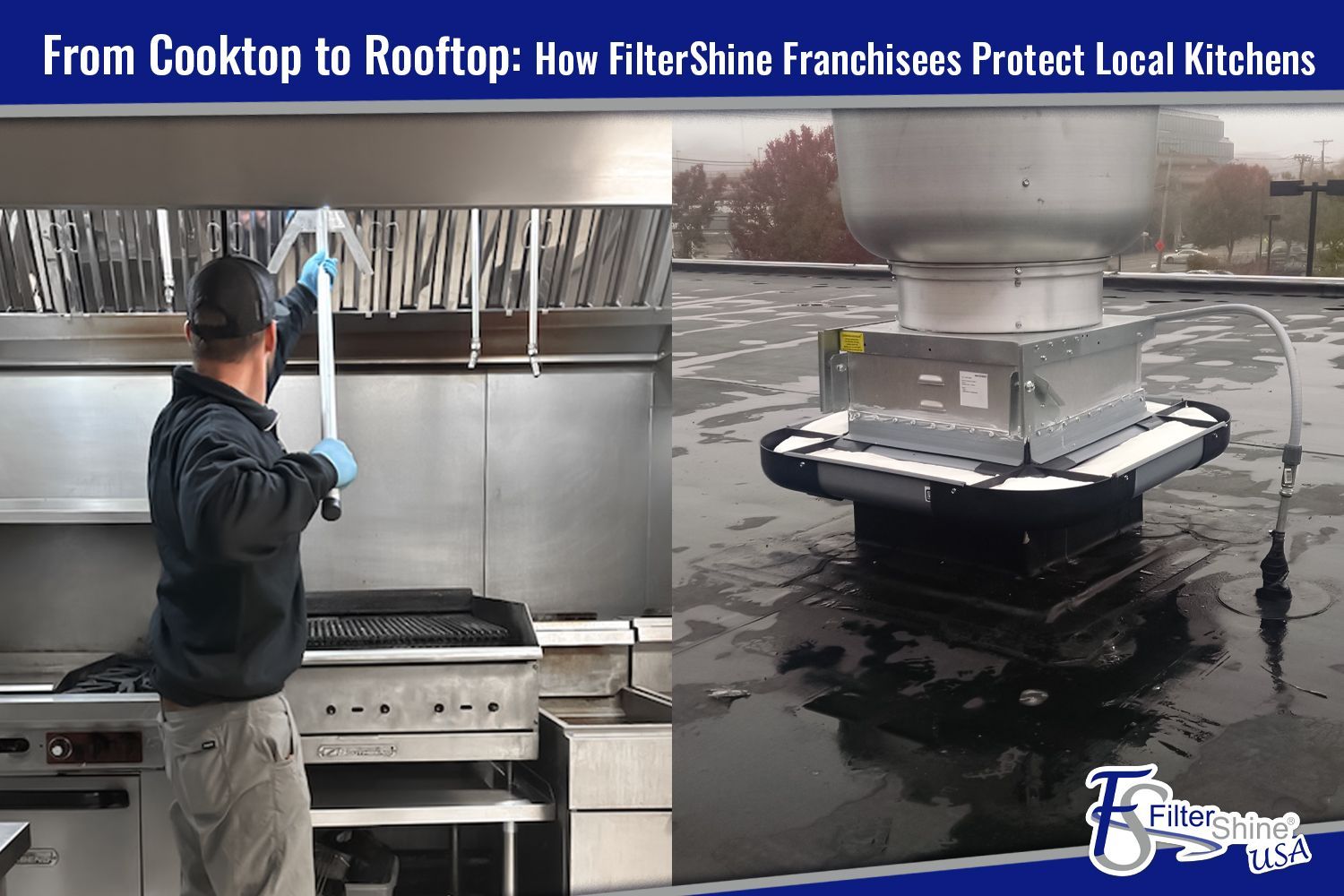
The rooftop exhaust fan is one of the most important components of a commercial kitchen ventilation system. Its job is to remove heat, smoke, grease vapors, and airborne contaminants while maintaining proper airflow throughout the kitchen.
During the summer, exhaust fans must work against higher outdoor temperatures while handling increased cooking loads. If filters become clogged or airflow is restricted, the fan must work even hard to move air through the system.
This additional strain can lead to increased energy consumption, premature motor wear, reduced equipment lifespan, and expensive repairs or replacements. Regular filter maintenance and
grease management help protect this critical equipment and keep the entire kitchen exhaust system operating efficiently.
Why Proper Airflow Matters
Effective airflow is the foundation of a safe and efficient kitchen exhaust system.
When filters are clean and function properly, heat, smoke, and grease vapors are removed efficiently from the kitchen environment. When airflow is restricted, several problems can develop.
Kitchen temperatures rise, creating a less comfortable work environment for employees. Smoke, odor, and airborne grease particles may linger longer in both kitchen and dining areas. Grease accumulation throughout the exhaust system becomes more likely, increasing fir risks, while ventilation equipment must work harder to maintain performance.
Maintaining clean filters is one of the simplest and most effective ways to support proper airflow and overall system efficiency.
Review Your Service Schedule Before Peak Season
Many operators underestimate how quickly grease accumulates during busy periods. A filter service schedule that worked during slower months may not provide adequate protection during peak summer demand.
If cooking volumes have increased, filters are becoming dirty more quickly, kitchens feel hotter than usual, or grease is accumulating around rooftop equipment, it may be time to reassess your service frequency.
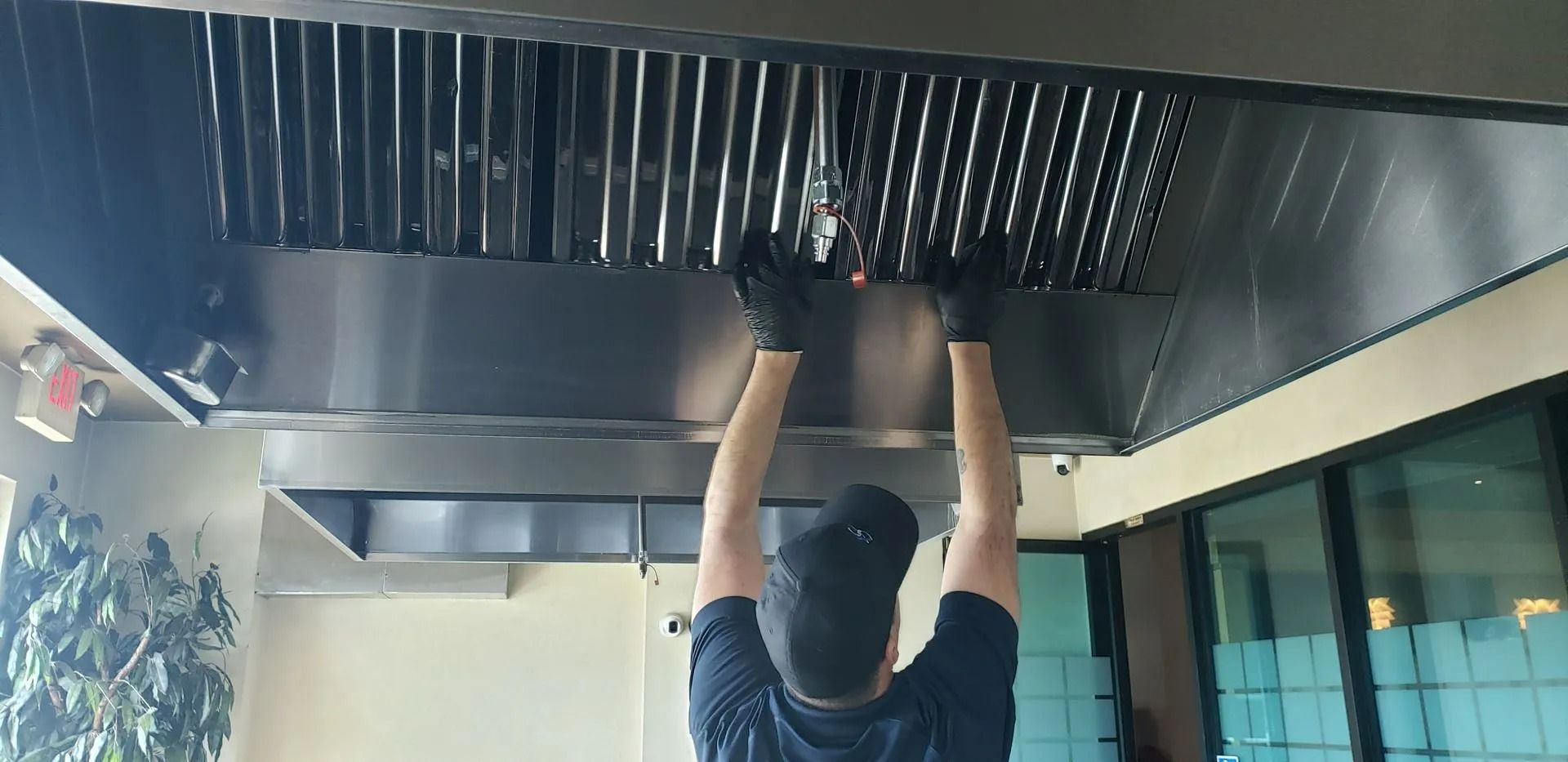
A professional filter exchange program ensures your kitchen always has clean, properly function filters without adding extra responsibilities on your staff.
Protect Your Roof from Grease Damage
The impact of grease buildup extends beyond the kitchen.
When grease escapes the exhaust system, it can accumulate around rooftop equipment and roofing materials. Over time,
rooftop grease contamination can contribute to costly cleaning, roof damage, and environmental concerns.
FilterShine USA helps restaurants maintain cleaner exhaust systems through professional grease filter exchange and grease management services that support both kitchen safety and facility protection.
Stay Ahead of Summer Challenges with FilterShine USA
Summer is one of the busiest and most demanding seasons for commercial kitchens. Increased cooking volume, higher temperatures, and greater grease production make proactive maintenance more important than ever.
FilterShine USA helps restaurants stay ahead of these challenges with dependable grease filter exchange programs that support improved airflow, cleaner exhaust systems, reduced fire risks, better equipment performance, and year-round compliance readiness.
Don’t wait for grease buildup to create costly problems. Reviewing your maintenance schedule now can help ensure your kitchen exhaust system is prepared to handle peak summer demand safely and efficiently.