THEY WERE ACTUALLY PRESSURE WASHING OUR GREASY FILTERS WITH A FOAM CLEANER!
technical • May 16, 2024
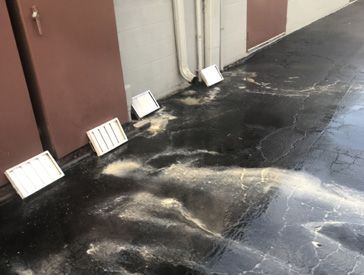
Manager: We had hood cleaning scheduled for a Tuesday night and I did not have to work Wednesday. I was behind on paperwork, so I stayed over to finish paperwork without any team member distractions. When I finished, I went to one guy in the kitchen hanging plastic and told him I was leaving for the night and to please shut the back door and set the alarm when they were done. He told me to watch my step when leaving through the back door. I did not ask why, but quickly realized the hazard in so many ways!
I could not believe what they were doing!! They were actually pressure washing our greasy filters with a foam cleaner. The foam, and all the grease from the filters, was going straight on to our parking lot and going straight into the storm drain that leads into a creek on the side of the parking lot and from there, goes to a pond. I could not believe it!! That foam had heavy duty degreaser, not to mention all the grease from the filters, and was contaminating the pond. I asked them to please stop immediately and they did, but they indicated they would have to put the remainder of the filters by the dishwasher so we could wash them in the morning. I continued the conversation by asking them how many of our locations they clean for our company and they mentioned that they clean the entire region, “8 locations”.
I was so relieved when our Regional Manager took action and informed me that we were going to be using the FilterShine grease filter program so the hood cleaners would not be cleaning the filters outside and continue to cause the creek and pond contamination.
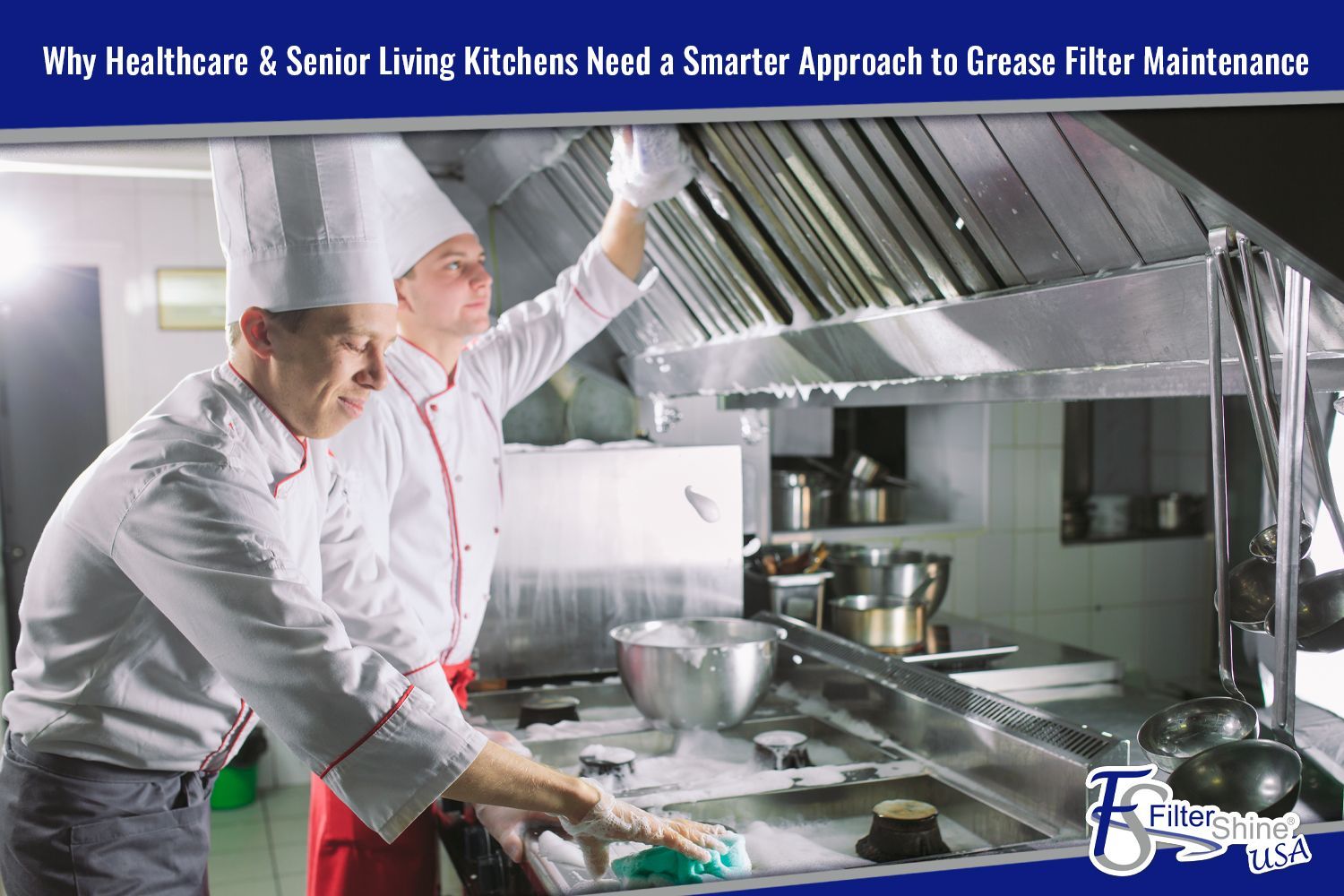
Discover how scheduled grease filter exchange helps healthcare and senior living kitchens reduce labor, improve consistency, and simplify maintenance.
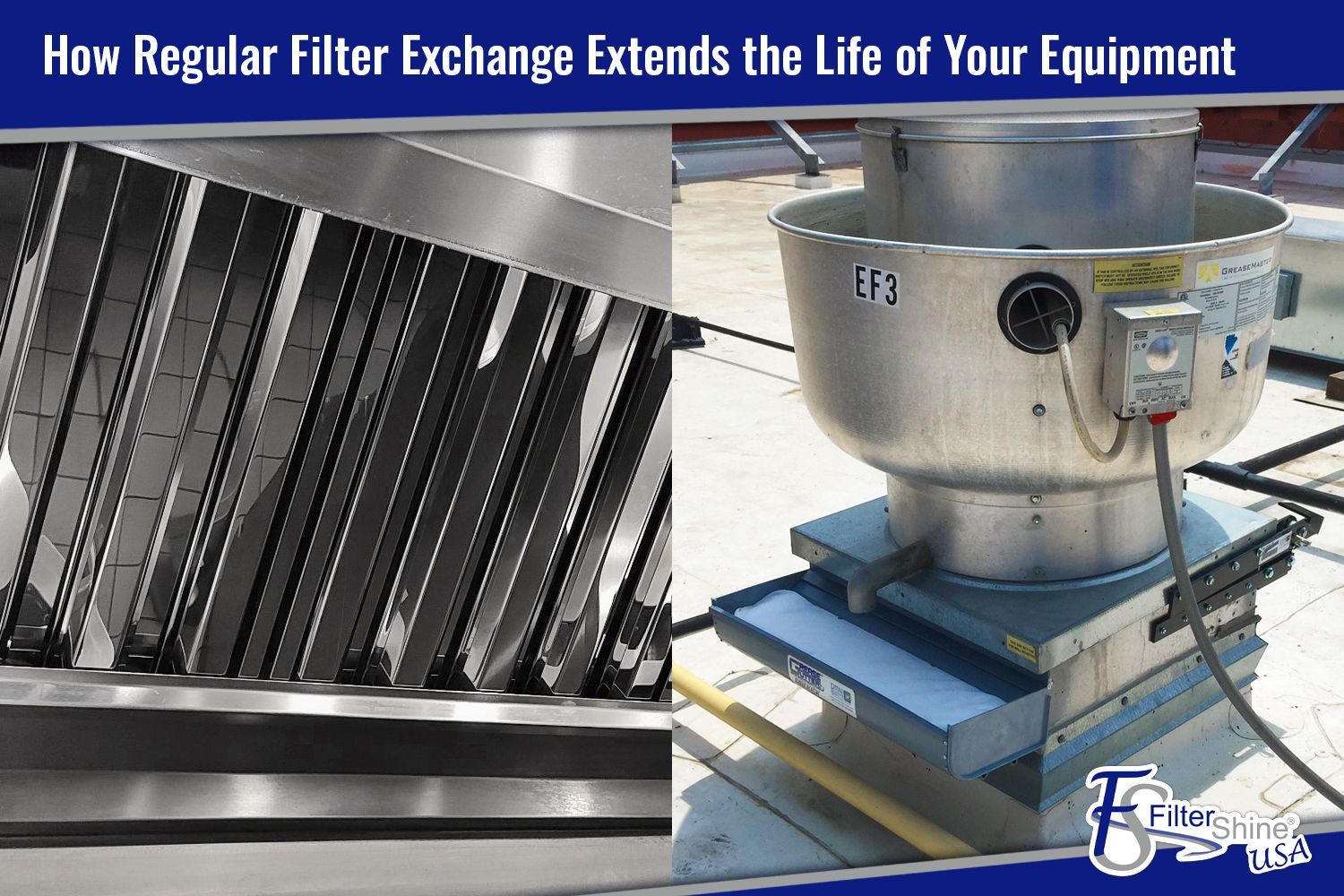
Discover how routine grease filter exchange helps extend equipment life, improve airflow, reduce maintenance costs, and protect commercial kitchen assets.
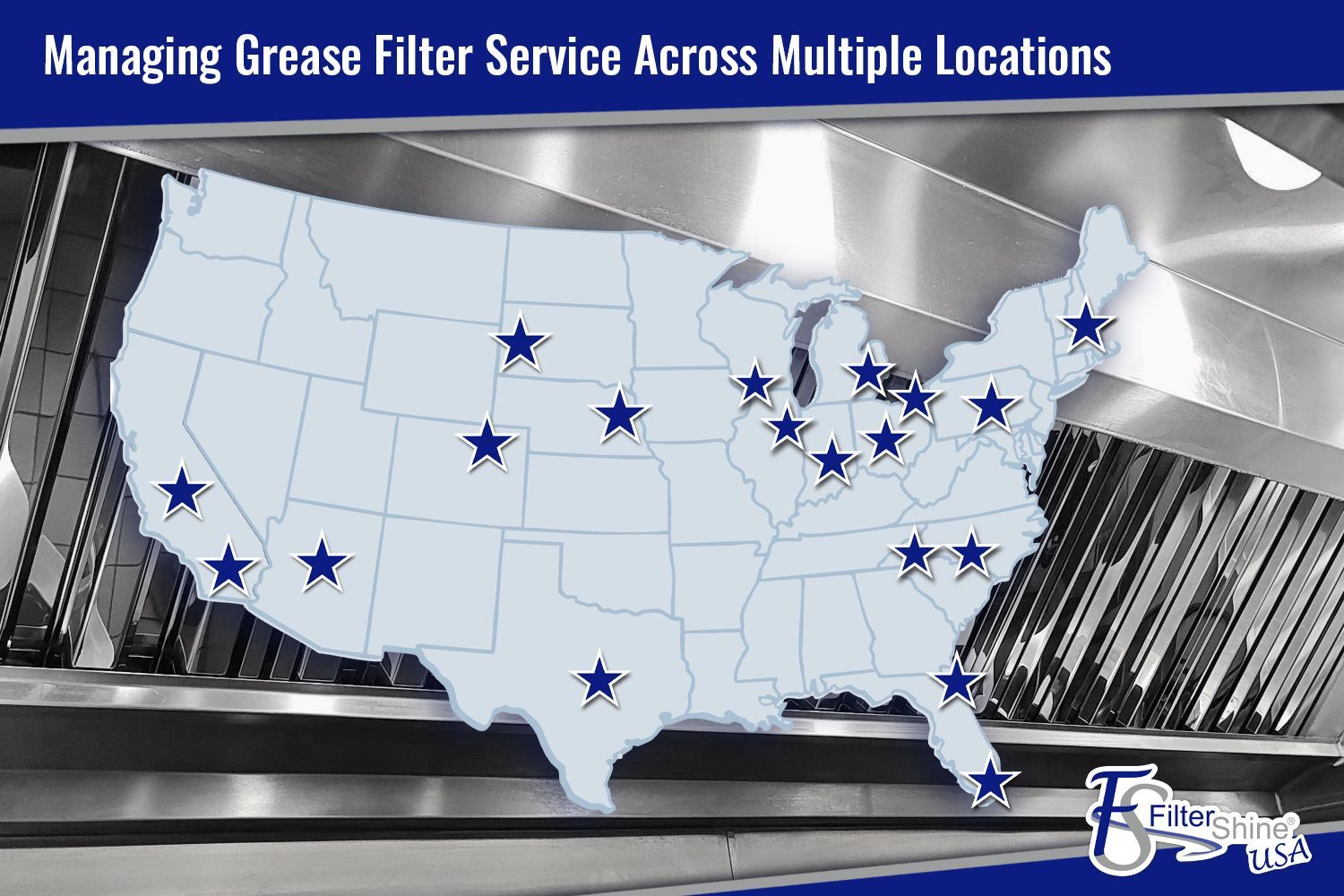
Simplify grease filter maintenance across multiple locations with consistent scheduling, service documentation, standardized procedures, and one trusted provider.
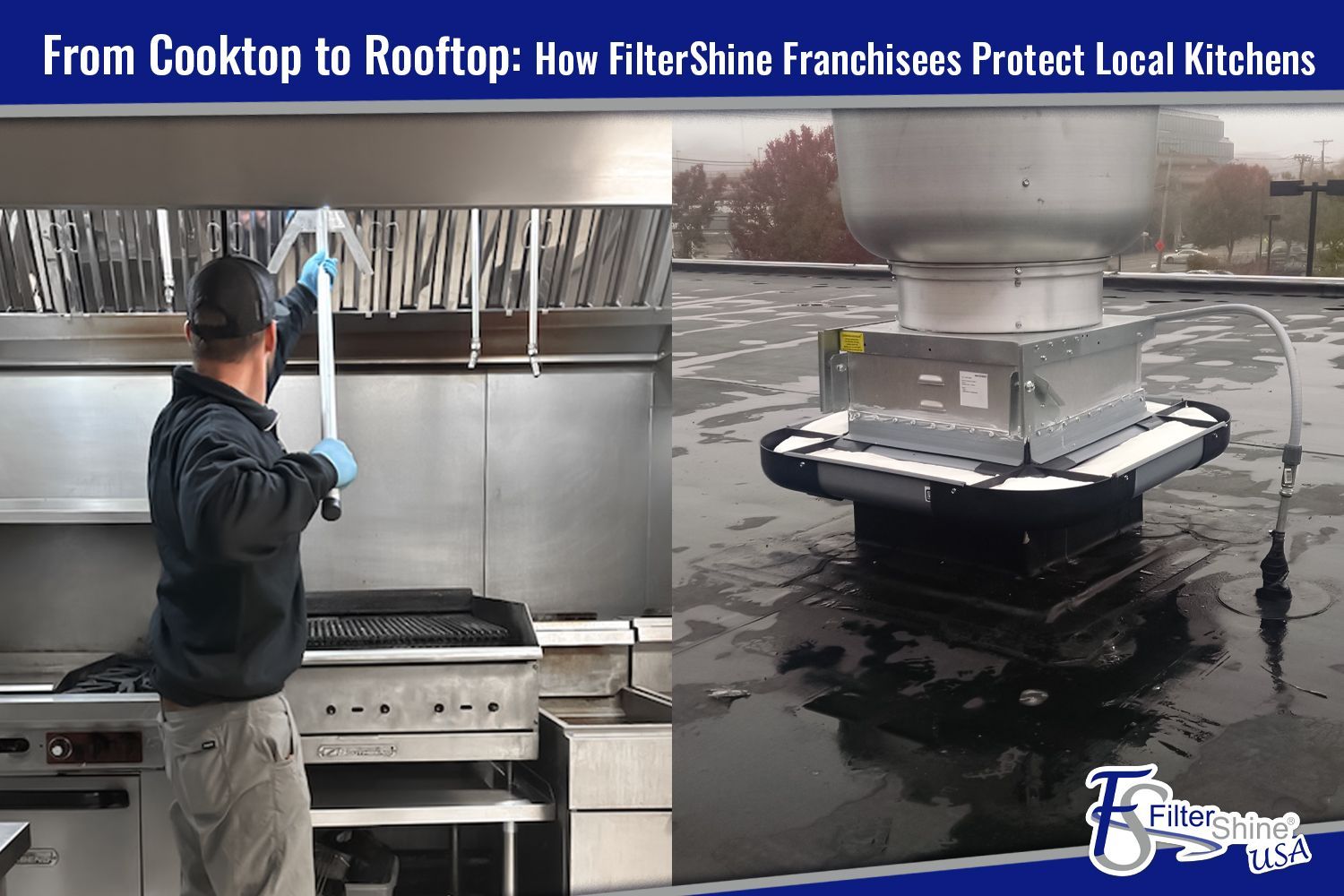
Every commercial kitchen relies on a clean, properly maintained exhaust system to operate safely and efficiently. From the cooktop beneath the hood to the rooftop exhaust fan, every component plays an important role in protecting employees, customers, equipment, and the business itself. At FilterShine USA , that protection is delivered by local franchise owners who understand the unique needs of the communities they serve. Backed by the stems, training, and support of a trusted national brand. This month, we’re highlighting FilterShine Northeast and owner Jason Wellman, whose industry experience and commitment to customer service exemplify the FilterShine USA mission. Turning Industry Experience into Better Service Before becoming the owner of FilterShine Northeast , Jason worked as a kitchen exhaust cleaning technician. During his time in the field, he recognized a common challenge facing restaurant operators: keeping grease filters clean was time-consuming, labor-intensive, and often overlooked. “When I started looking at FilterShine USA, I saw an opportunity to be part of a national platform while solving a real problem for restaurants,” Jason says. Rather than simply cleaning grease filters, Jason wanted to provide restaurants with a more efficient solution through a professional grease filter exchange program that improves safety, simplifies maintenance, and helps facilities stay compliant. Simplifying Grease Filter Maintenance For restaurant managers, grease filter maintenance often becomes another task added to an already busy schedule. Cleaning filters in-house takes valuable employee time, creates unnecessary mess, and can expose staff to hot, grease-covered equipment. According to Jason, one of the biggest benefits customers experiences is peace of mind. “They’re relieved they no longer have to clean filter’s in-house,” he says. “We’re removing that liability from the restaurant, helping keep grease out of drains, and supporting compliance with environmental regulations.” With regularly scheduled grease filter exchanges, restaurants can: Reduce employee exposure to hot, grease equipment Improve kitchen ventilation and airflow Help prevent grease from entering plumbing systems Stay better prepared for inspections Allow staff to focus on serving customers instead of cleaning filters It’s a simple service that delivers lasting operational and safety benefits. Local Ownership. National Strength. What makes FilterShine USA different is its franchise network . Each location is independently owned and operated by local entrepreneurs who are invested building long-term relationships within their communities. At the same time, every franchise benefits from proven systems, comprehensive training, ongoing support, and the shared knowledge of a nationwide network. Jason says that collaboration has been one of the greatest advantages of joining FilterShine USA . “We have a network of entrepreneurs who are always willing to share ideas and help each other succeed,” he explains. “Instead of building a business alone, you’re part of a team that’s invested in your success.” That same commitment to collaboration translates into a consistent, professional service for customers across the country while allowing each franchise to provide personalized support based on the needs of its local market. Protecting Kitchens from Cooktop to Rooftop Grease management is much more than keeping filters clean. It’s about protecting the entire kitchen exhaust system. When grease filters are exchanged on a regular schedule, restaurants benefit from: Improved airflow throughout the kitchen Reduced grease accumulation within the exhaust system Lower fire risk Better employee safety Increased equipment efficiency Improved inspection readiness As Jason explains, FilterShine USA is more than a service provider. “We become a partner in help restaurants improve fire protection, employee safety, and environmental responsibility .” Building Stronger Communities Through Better Kitchen Safety Every FilterShine USA franchise owner shares the same goal : helping commercial kitchens operate safer, efficiently, and reliably. While serving independent restaurants, national chains, healthcare facilities, schools, or institutional kitchens, FilterShine franchisees build lasting partnerships through dependable service, responsive support, and a commitment to excellence. That local dedication, combined with the strength of a national organization, allows FilterShine USA to deliver consistent results while supporting the success of the businesses and communities we serve. More Than a Vendor – A Trusted Partner Restaurant operators have enough to manage without worrying about grease filter maintenance. FilterShine USA’s professional grease filter exchange program helps improve fire safety, enhance kitchen performance, support environmental compliance, and protect the entire kitchen exhaust system, from the cooktop to the rooftop. When you partner with your local FilterShine USA franchise, you gain more than a service provider. You gain a trusted partner backed by the experience, resources, and nationwide support of an organization dedicated to helping commercial kitchens stay cleaner, safer, and more efficient. Interested in learning how FilterShine USA can simplify grease filter maintenance for your facility? Learn more about FilterShine USA or find your nearest local franchise to discover how our professional grease filter exchange program can help protect your kitchen from cooktop to rooftop.
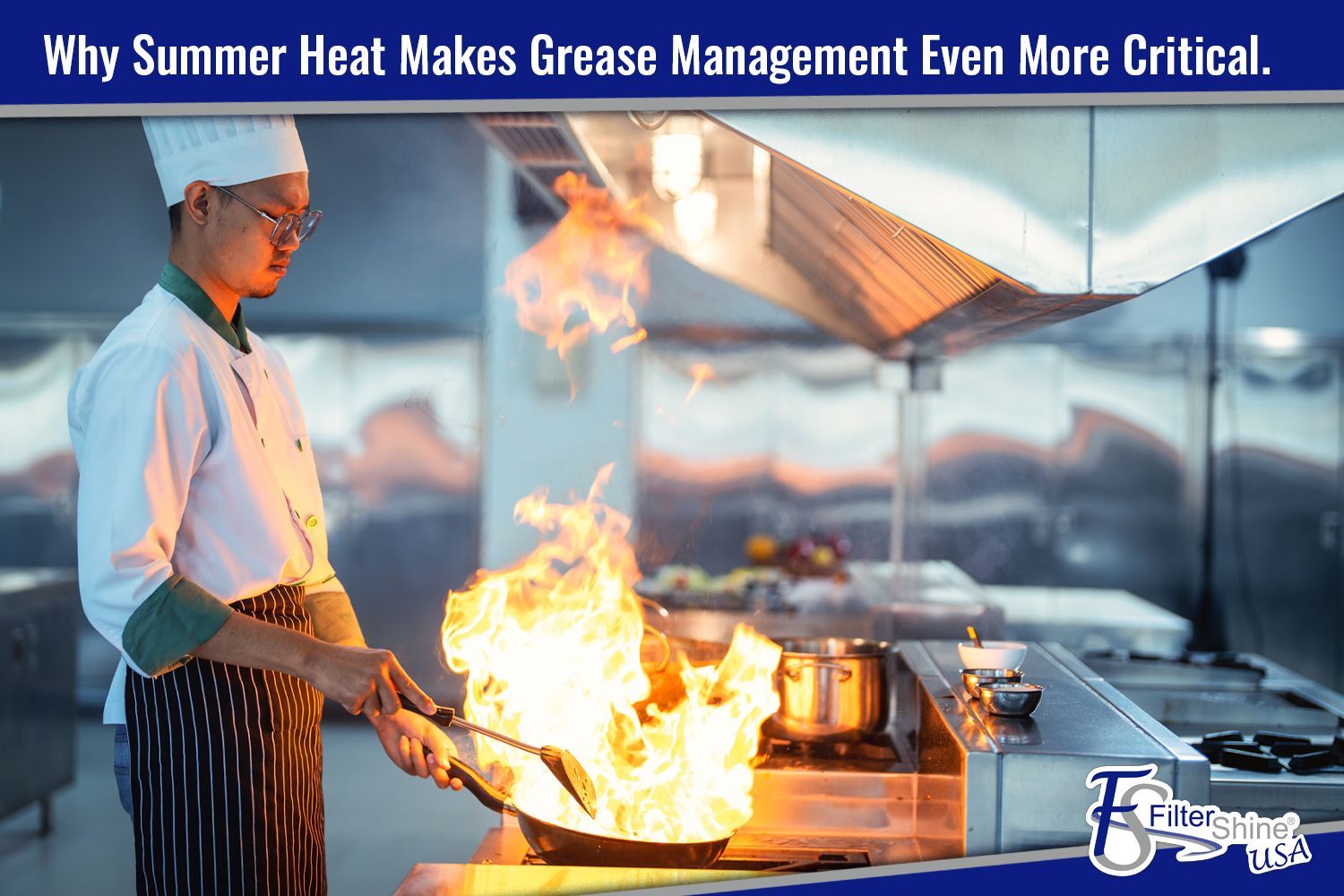
Summer heat increases grease vapor, strains rooftop exhaust fans, and impacts airflow. Learn why restaurants should prioritize grease management and filter exchange services during peak season
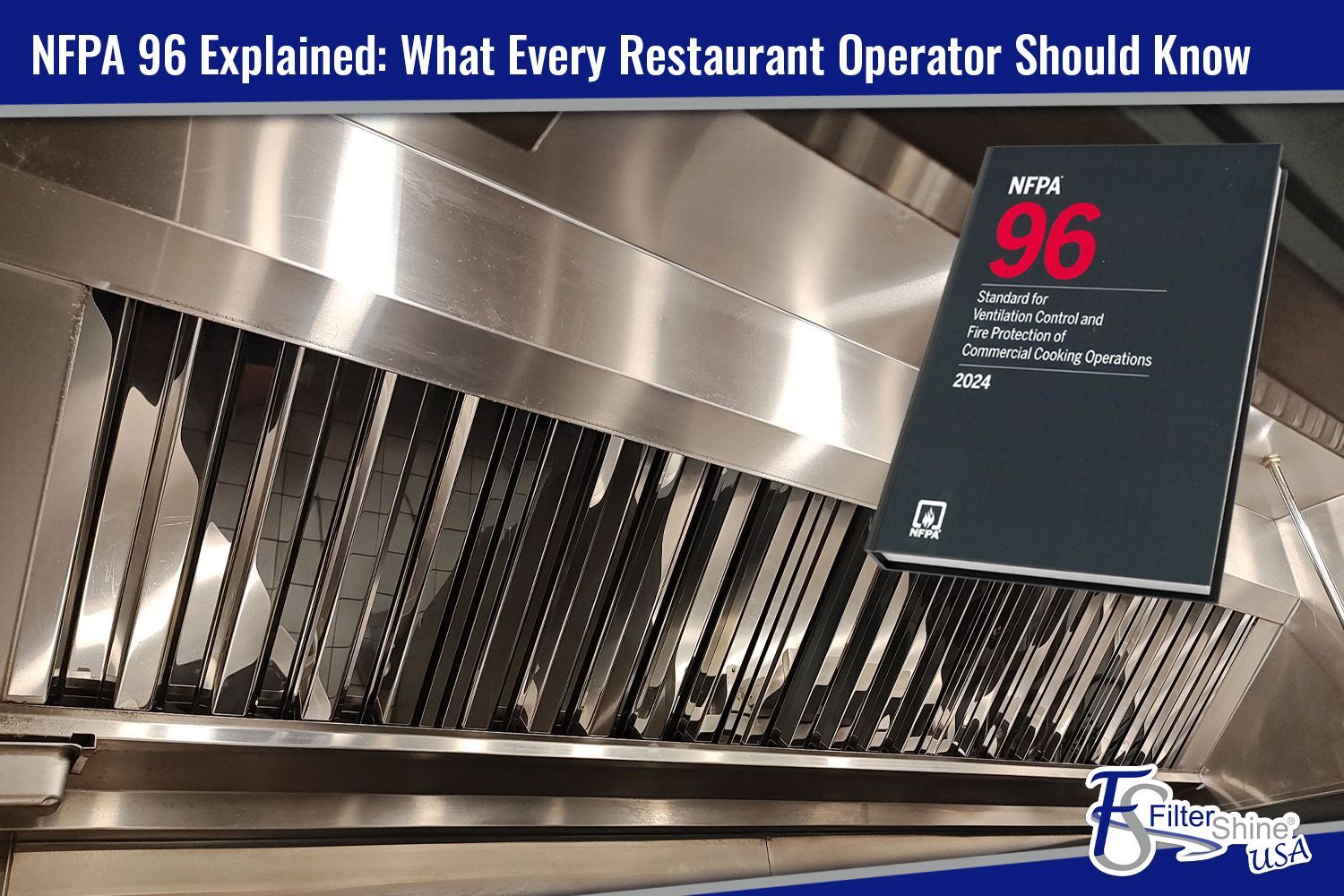
Learn what NFPA 96 means for restaurant operators, including fire prevention, grease filter maintenance, inspection readiness, and how regular filter exchange supports compliance.
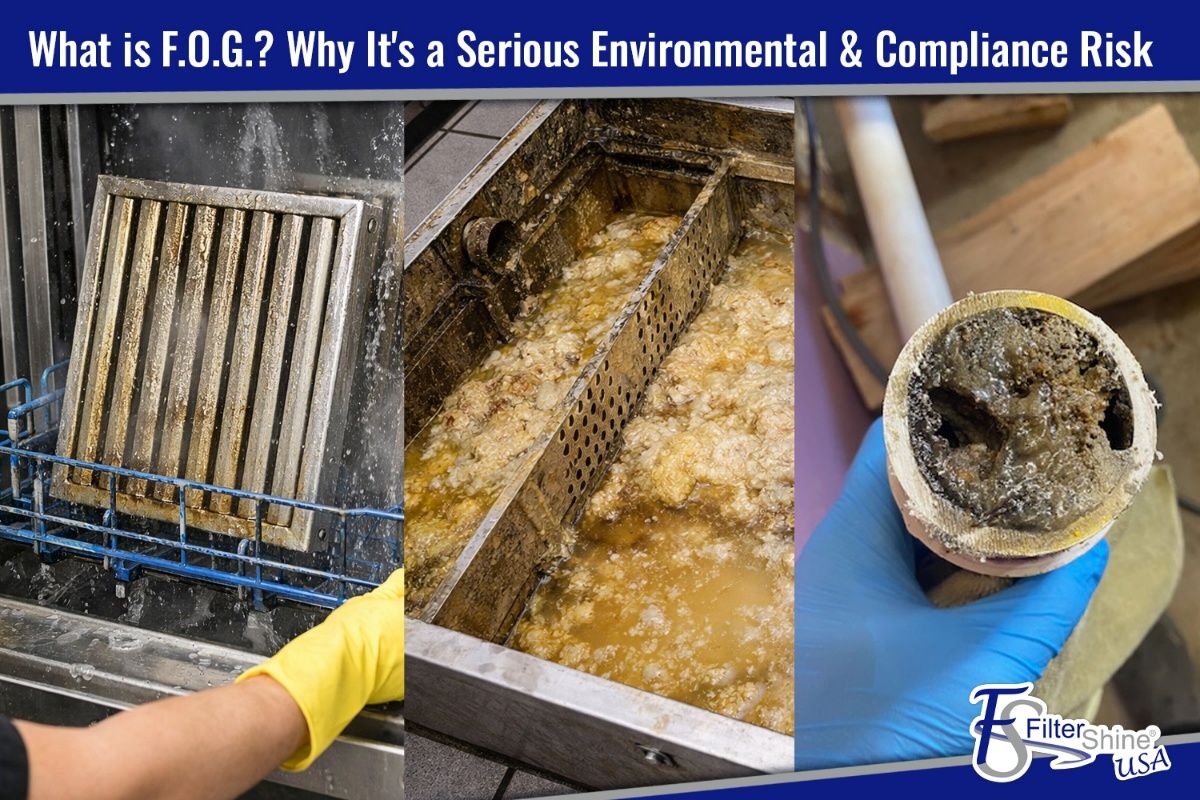
Learn what F.O.G. (fats, oils, and grease) is, how it impacts plumbing, the environment, and compliance, and how restaurants can prevent costly issues with smarter grease management solutions.
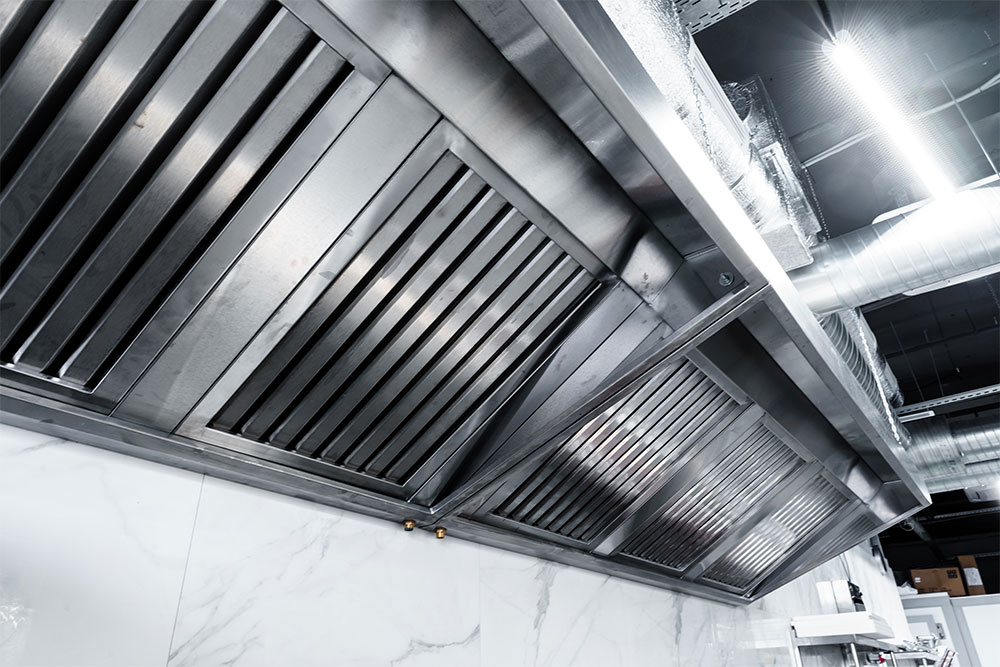
Discover how commercial hood filters save time and money. Call FilterShine at 866-977-4463 today for expert service nationwide.
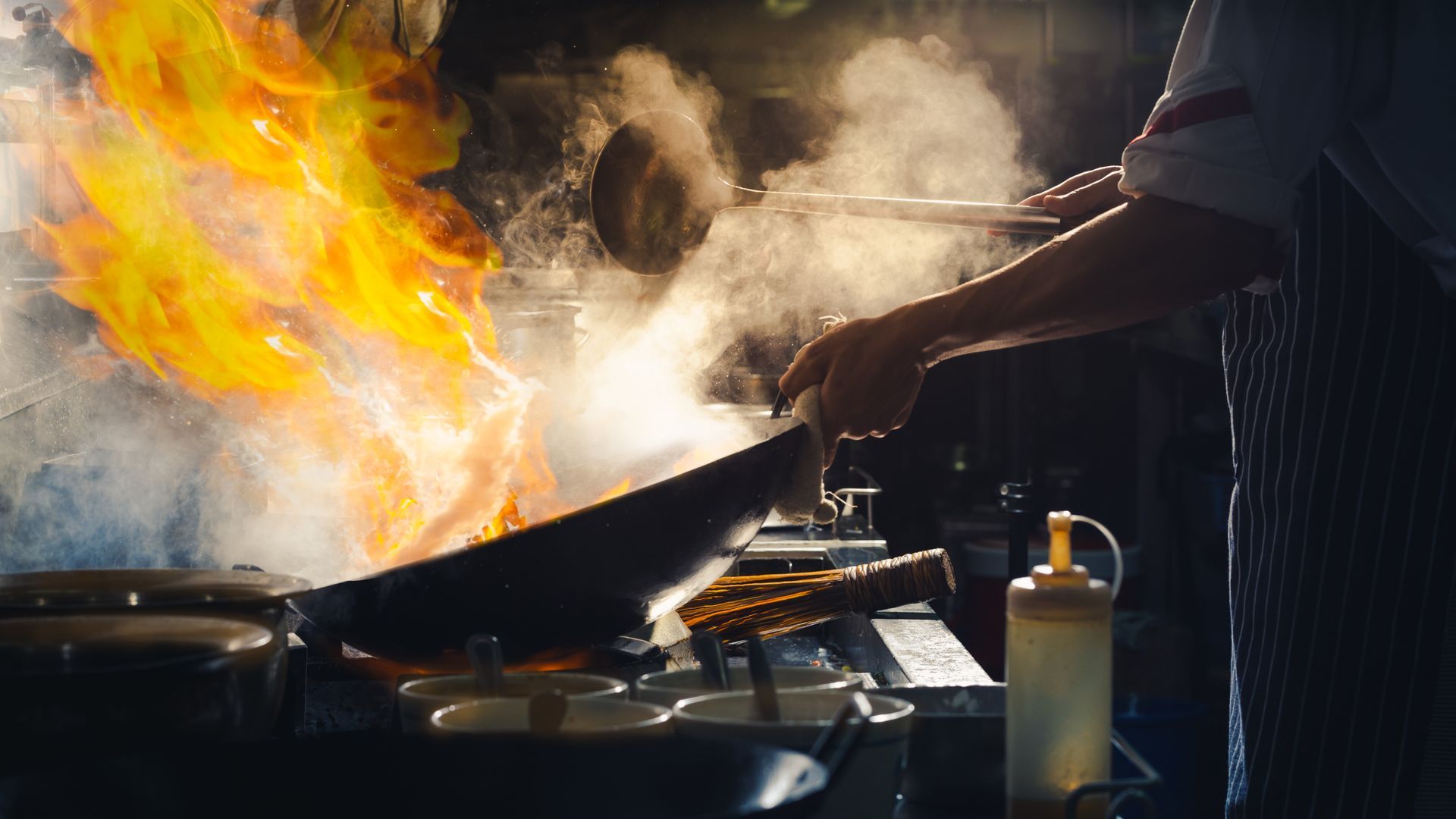
Summary: Hood Filters: Nine Service Report Tips for Hood Cleaning Technicians Hood filters are a required frontline fire-safety component under NFPA 96 and must be in place whenever cooking equipment is lit. When properly installed and maintained, UL-listed baffle filters serve two critical purposes: they act as a flame barrier that disrupts and cools flames, and they capture grease-laden vapors before they enter the plenum, ductwork, and exhaust fan. The article explains that filters only work as designed when their metal surfaces are clean, allowing grease vapors to condense, drain through weep holes, and flow into the hood’s grease management system. When filters are grease-coated, misaligned, damaged, or missing, they stop functioning, allow heavier grease to pass downstream, and can even become fuel themselves, significantly increasing the risk of a ventilation fire. The article also highlights “hidden impacts” neglected filters create beyond the hood, including grease accumulation in ducts and rooftop grease mist often mistaken for hood cleaning overspray, plus serious reliability threats to fire suppression systems (fusible links, detection line conduits, pulleys, and nozzles) that can delay or prevent system activation. It provides nine service-report inspection tips for hood cleaning technicians, emphasizing photo documentation to protect the hood cleaning company and to educate restaurant operators on code-compliant practices such as proper filter fit, UL listing, weep-hole orientation, avoiding mesh filters, using matched filter types, addressing solid-fuel spark arrestor requirements, replacing damaged filters, and preventing cooking without filters. Finally, it explains how sink-washing filters with emulsifying degreasers can contribute to grease-trap and sewer problems, and it promotes partnering with reputable filter exchange or soak-tank service companies to keep filters functional between cleanings and strengthen overall kitchen fire prevention. Read Full Article Here: https://flip.matrixgroupinc.net/ikeb/2025/fall/#page=8
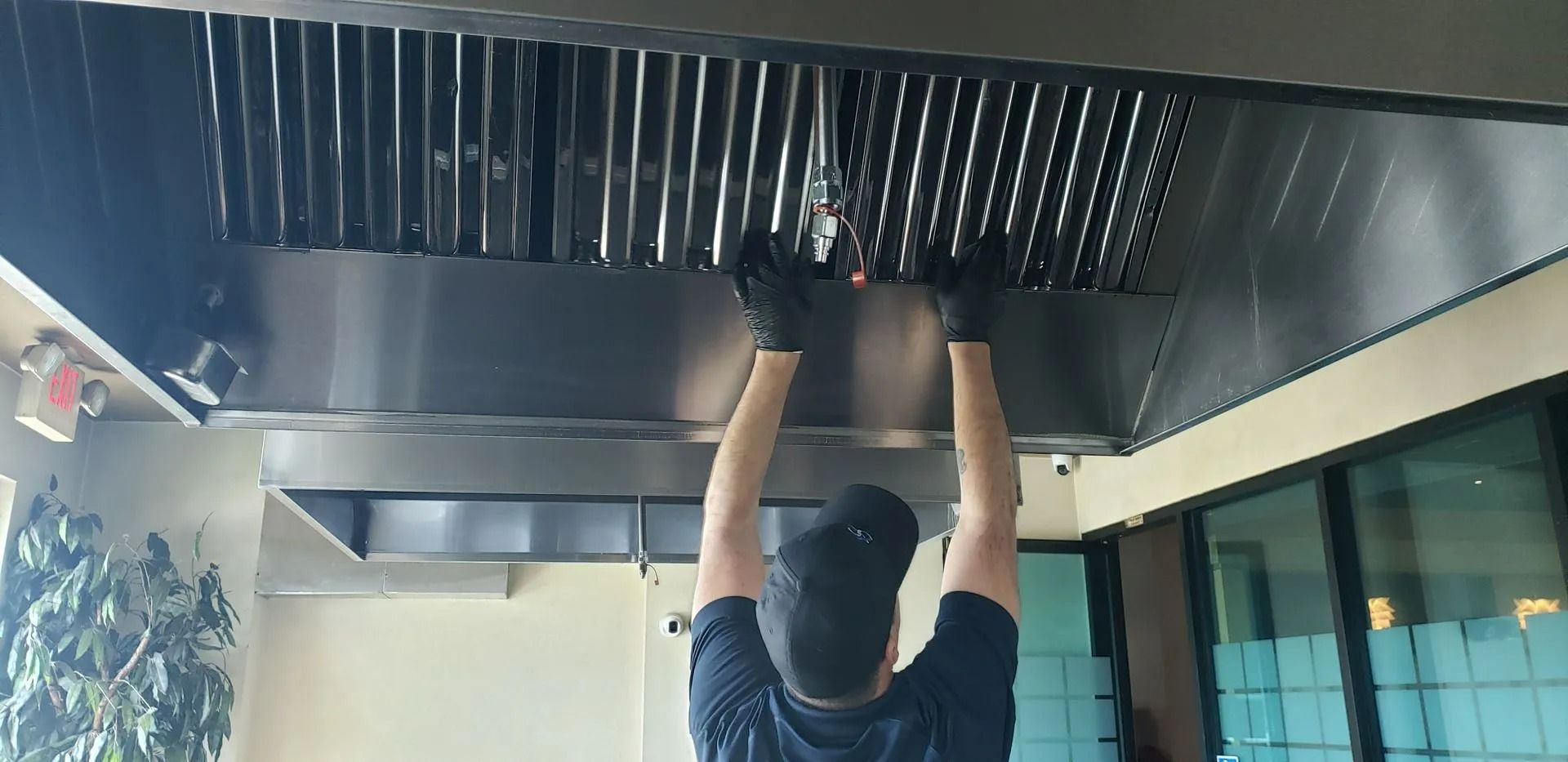
FilterShine offers commercial kitchen hood filter management nationwide. Keep your kitchen safe and compliant—call 866-977-4463 or click here to learn more!