Restaurant Grease Filters

September 9, 2024

How to Maintain Your First Line of Defense in a Fire

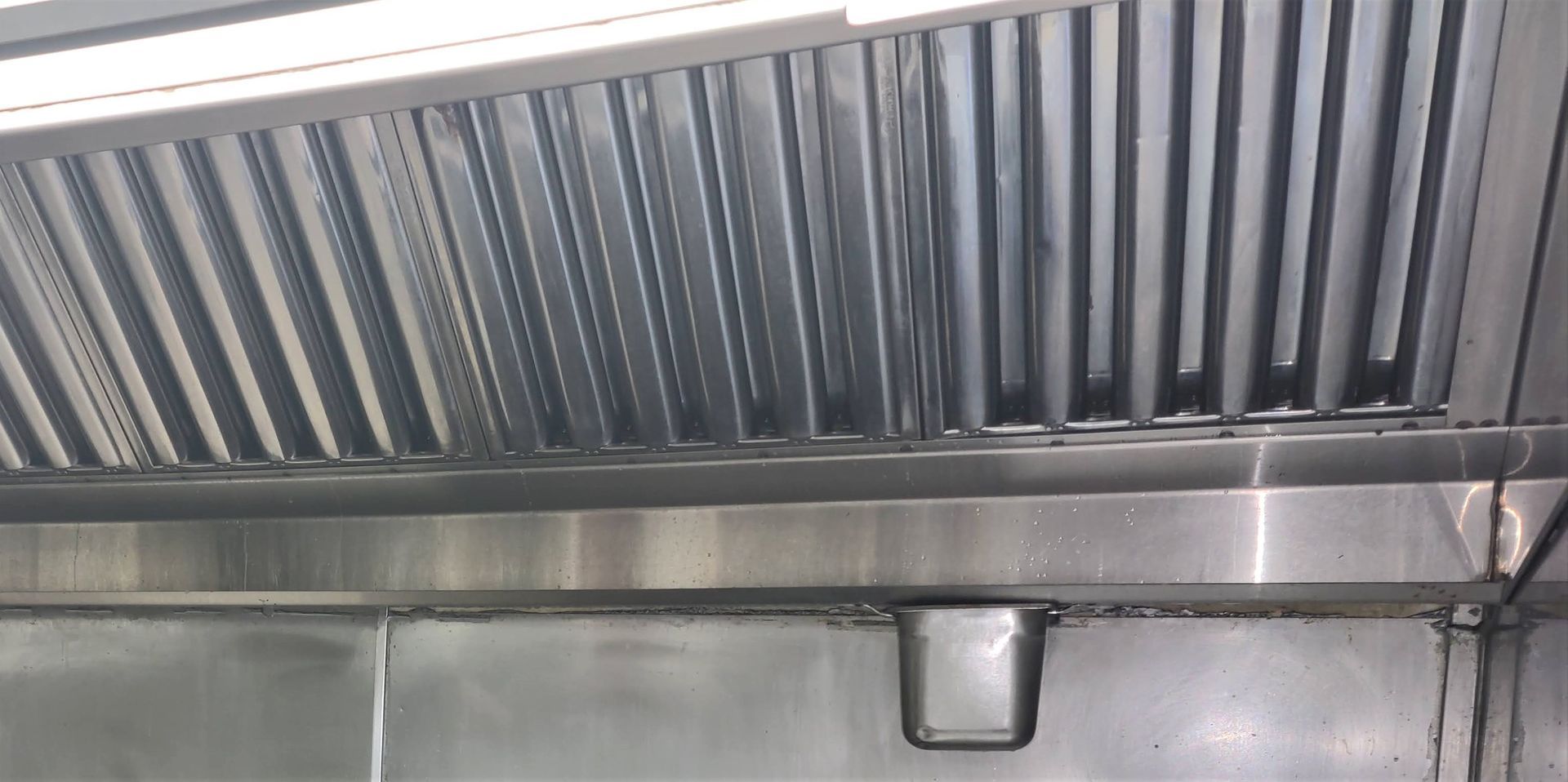
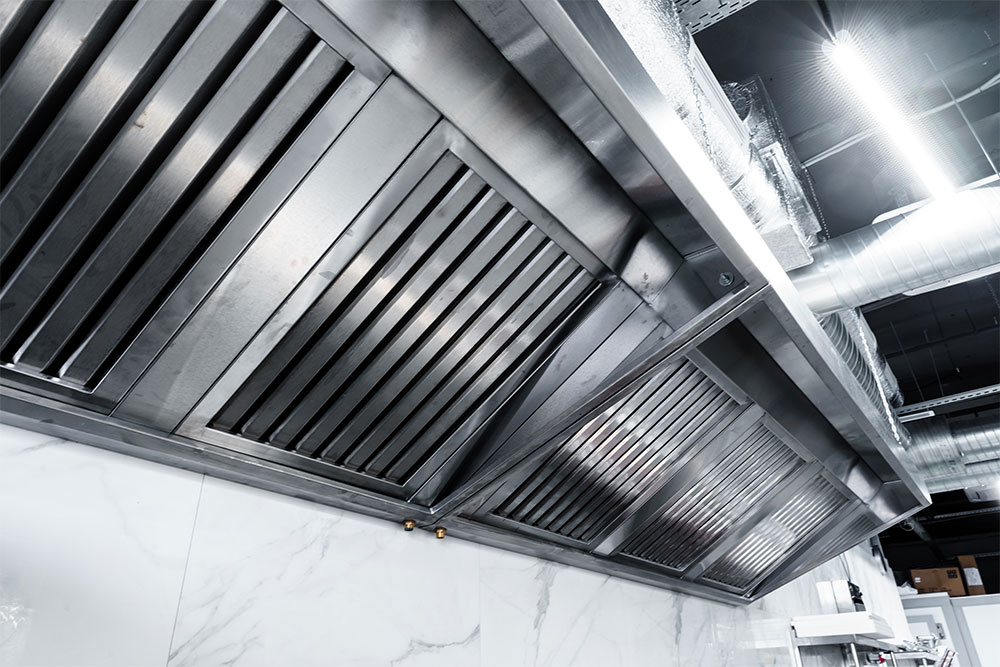
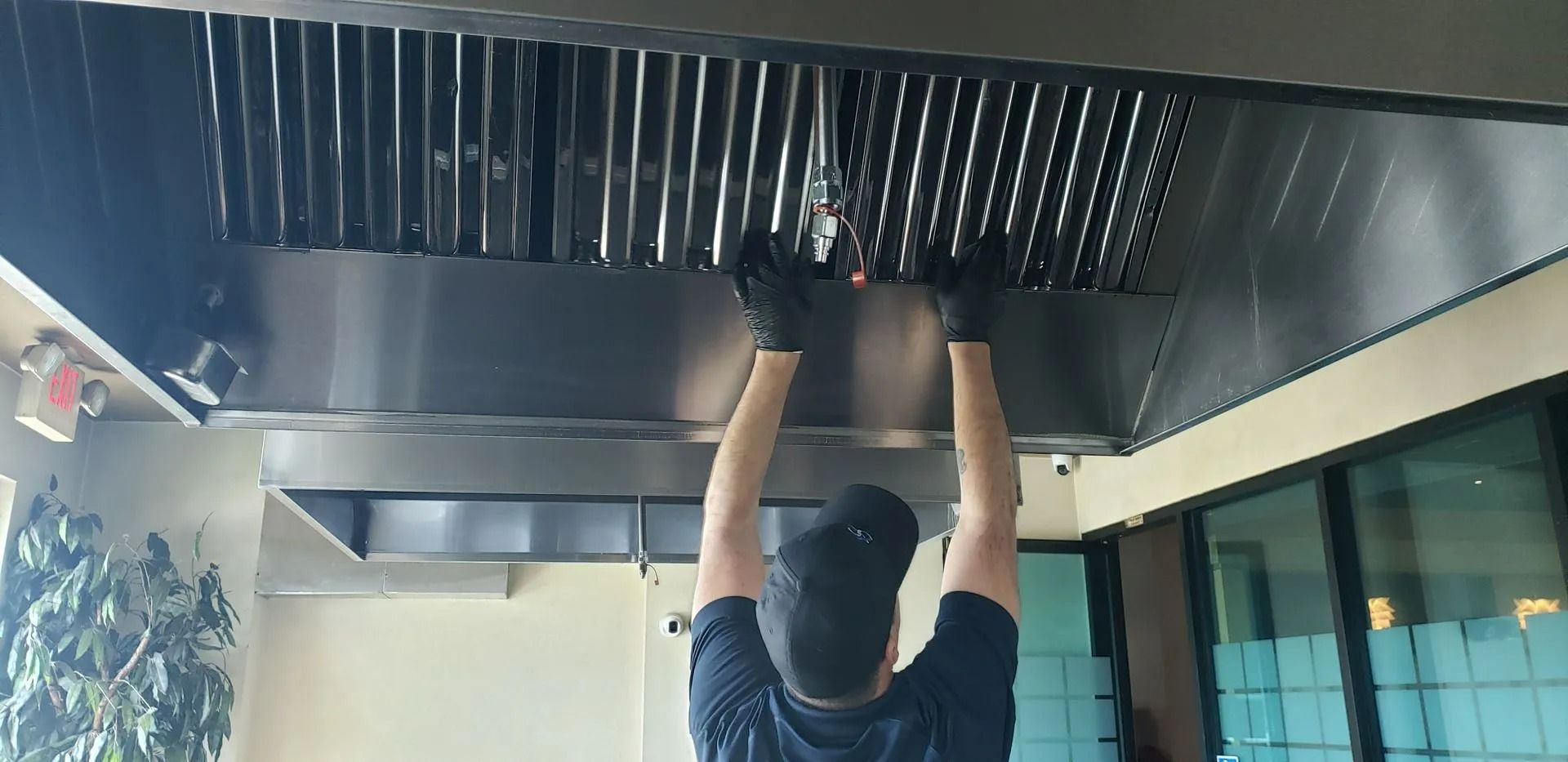
A stainless steel hood is hanging from the ceiling of a kitchen.

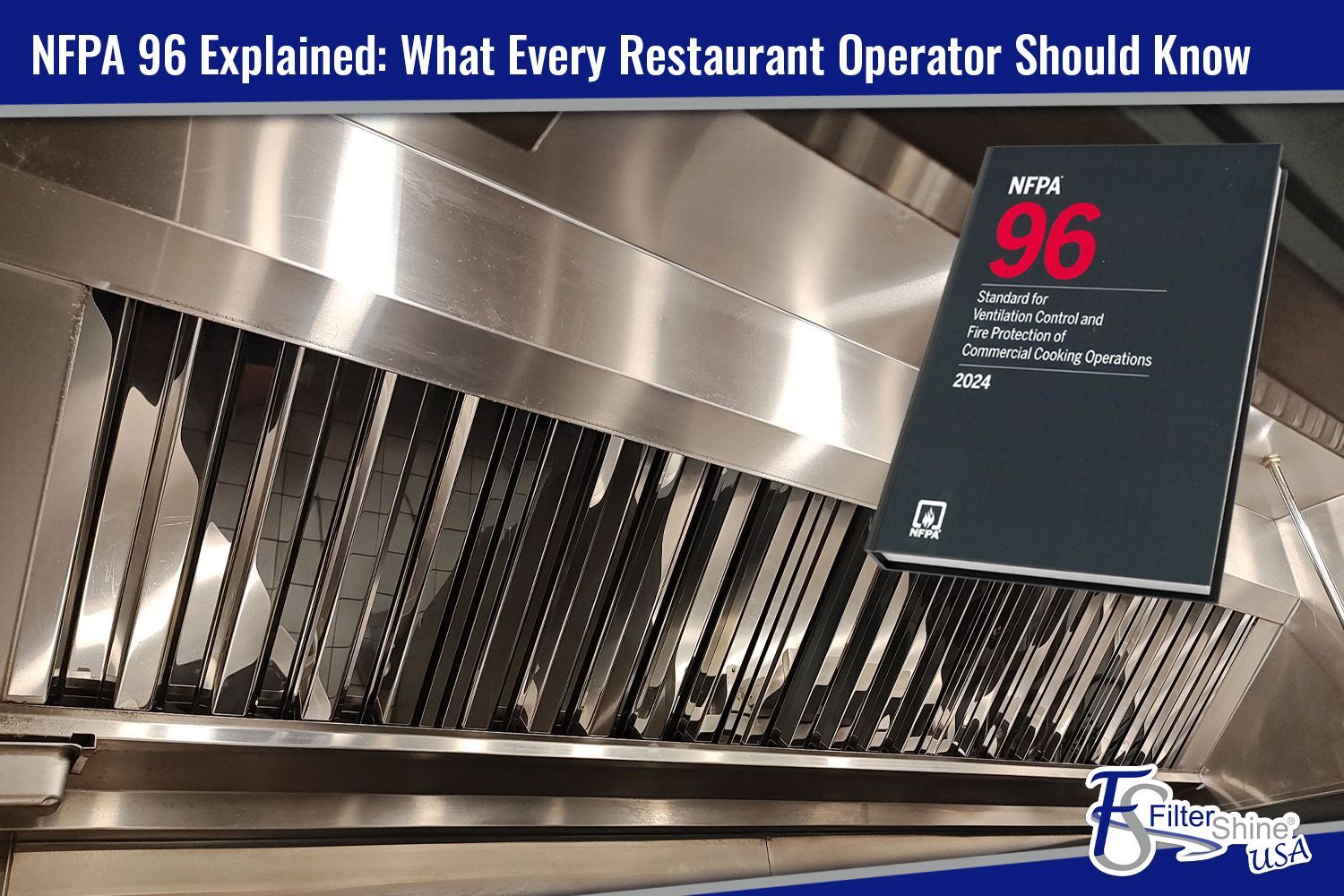
Most restaurants have their kitchen exhaust systems (aka hoods) cleaned every 3, 6, or 12 months to remove the grease from the entire system. Your hood cleaners are responsible to meet the requirements of NFPA 96 - Standard for Ventilation Control and Fire Protection of Commercial Cooking Operations. Chapter 12 (2021 Ed) provides the standards and guidelines

for the inspection and cleaning of the kitchen exhaust systems. When they complete their job, they issue a certification of services performed and report whether there are deficiencies in your system. That certification tag on the hood expires after a certain period of time depending on the marked tag. Many restaurants allow their filters to build up through the months until their hood cleaners come in and then have that company clean them. The problem with that is that the filters are way past a fire-ready point after months of neglect. Grease filters act as your first line of defense in a fire and should prevent flames from passing outside of the protection zone of your fire suppression system (second line of defense in a fire).

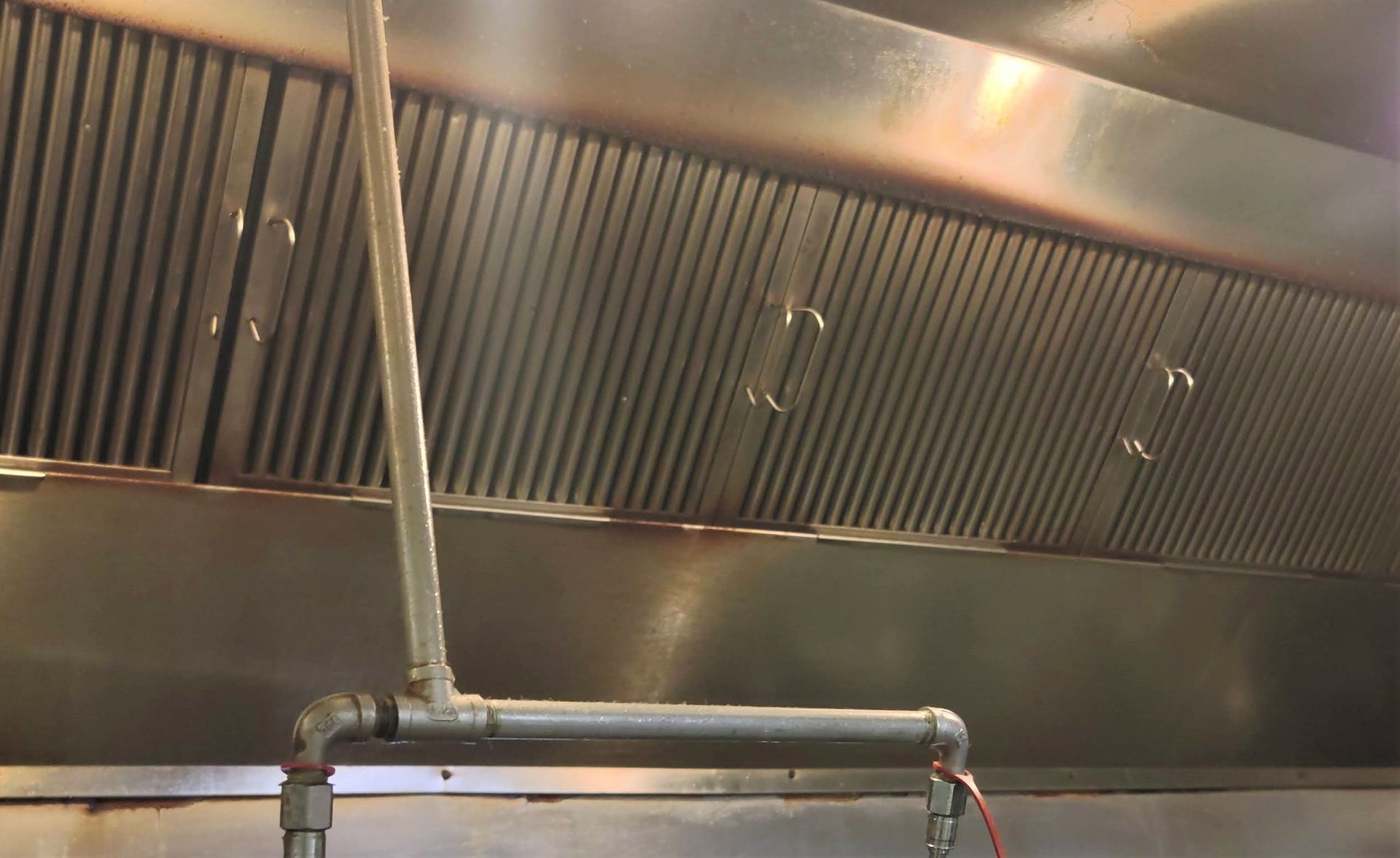
A close up of a stainless steel exhaust hood in a kitchen.

But why should we need filters cleaned/ exchanged more regularly if our hood cleaners have been doing this for years?


NFPA 96, 12.6.2 Hoods, grease removal devices...shall be cleaned to remove combustible contaminants prior to surfaces becoming heavily contaminated with grease or oily sludge.

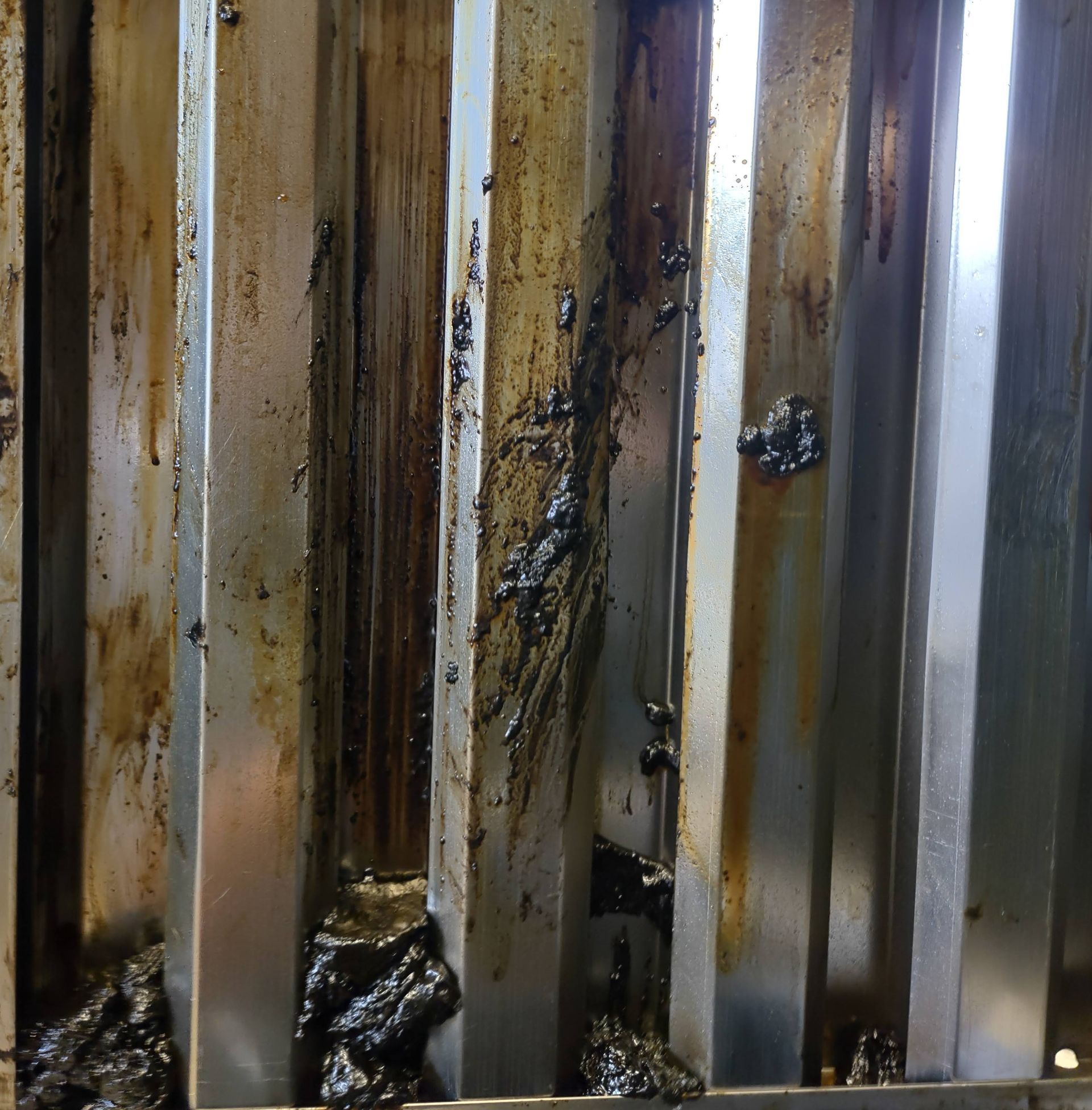
Grease removal devices or filters get substantially dirtier than the rest of the system because all of the airflow goes directly through the small baffle openings in them. Grease filters are made to capture between 30% and 98% (depending on the type) of the effluent that goes up toward the duct and fan. In order to keep them from becoming heavily soiled, they need regular cleaning.


A dirty grill with a lot of stains on it

NFPA 96, 4.1.5 The responsibility for inspection, testing, maintenance, and cleanliness of the ventilation control and fire protection of the commercial cooking operations, including cooking appliances, shall ultimately be that of the owner of the system, provided that this responsibility has not been transferred in written form to a management company, tenant, or other party.


Unless the responsibility is transferred to a third-party company for maintaining cleanliness of the filters (more on that below), the responsibility ultimately falls on the owner or tenant to ensure the

fire-readiness of those filters.

So, how often should your grease filters be cleaned?

Manufacturers of hood systems recommend cleaning filters every day for optimal performance and high-volume kitchens or at least weekly for lower grease-producing systems.


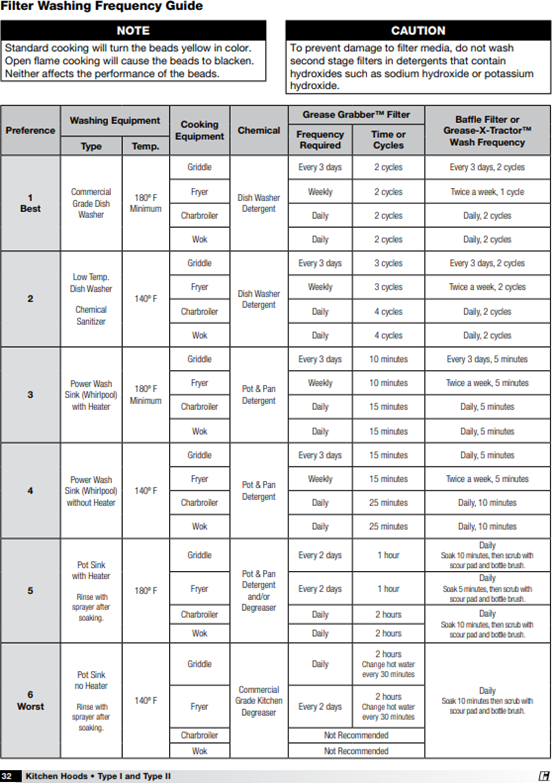
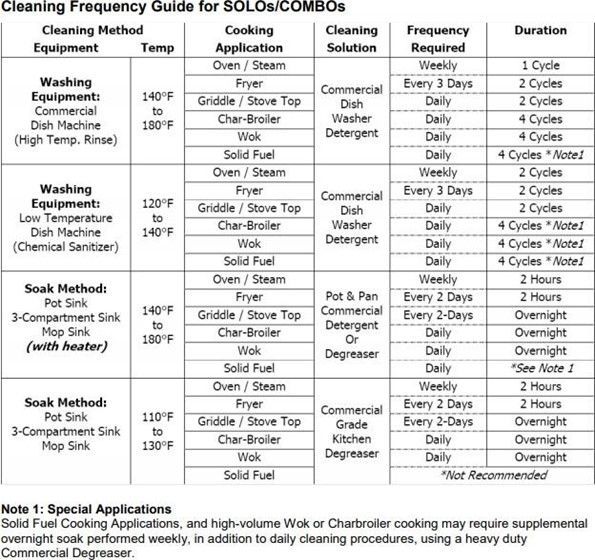
Cleaning recommendations and interval tables taken from Captive-Aire and Greenheck manuals are shown below.

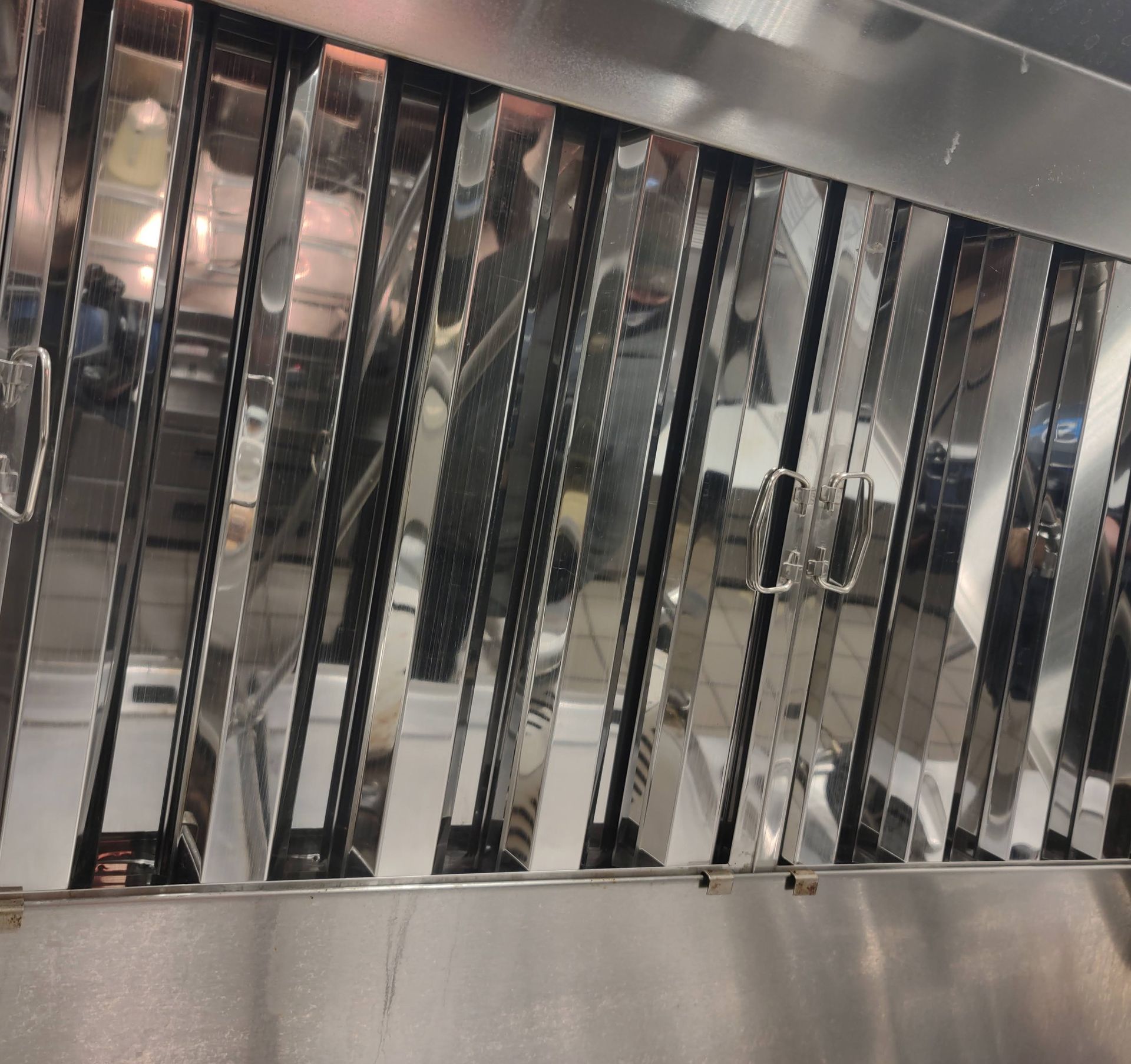
A close up of a stainless steel exhaust hood in a kitchen

Either way, every filter should be cleaned at a minimum of once per week if doing the work

in-house. The primary reason is because grease filters are harder to clean the longer they are subjected to constant heat and continuing accumulation. If you use a filter exchange company, depending on their process of cleaning, they can often go longer between cleanings because their cleaning system should allow for 100% cleaning even on fairly dirty filters.


NFPA 96, 12.6.1.1.1 Hoods, grease removal devices...shall be cleaned to remove combustible contaminants to a minimum of 0.002 in. [50 microns]


Whichever route you go on maintaining your filters, make sure that airflow is not adversely affected between cleaning intervals. When they are cleaned, they have to be completely clean - down to 2/1000ths of an inch. That likely means that if you’re performing this in-house, a quick spray down will not be enough. They will need to be soaked and then sprayed thoroughly.


Taken from Greenheck:

A table detailing filter washing frequency for commercial and residential kitchens. It lists equipment type, cooking environment, and recommended cleaning schedules.

Taken from Captive-Aire:

Grease filters must always be installed and clean to reduce build-up of grease in the exhaust duct and to allow for proper exhaust airflow, refer to Table 1 on page 42. Maintain all belts, motors, and

electrical connections on fans attached to the hood. Ensure MUA filters are kept clean and there are no leaks in MUA ductwork.

Daily Maintenance

1. Remove the grease baffle filters and clean in a dishwasher or soak sink daily.

2. Empty and clean grease drain and grease collection cups.

3. Carefully wipe away gritty substances clinging to stainless-steel surfaces to avoid scratching.

4. Dilute 1/2 cup of laundry detergent (e.g. Tide) with one (1) gallon of warm water.

5. Soak a clean cloth in the water detergent solution and wring out the excess water.

6. Wipe the hood surfaces moving in the direction of the grain and periodically rinsing cloth in detergent solution.

7. Using a different clean cloth soaked in clean warm water, wipe the hood surfaces to remove all traces of the detergent solution.

8. Wipe hood surfaces dry with a clean, dry cloth. Clean the hood temperature sensor in riser if equipped with one.


Cleaning frequency guide for kitchen equipment (ovens, fryers, etc.), detailing cleaning methods, temperatures, and required frequency/duration.

Can’t we just spray them outside like our old hood cleaners?

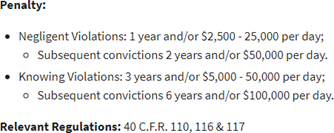
Penalties for environmental violations: negligent (1 year/or $2,500-25,000/day), knowing (3 years/or $5,000-50,000/day). Relevant regulations listed.

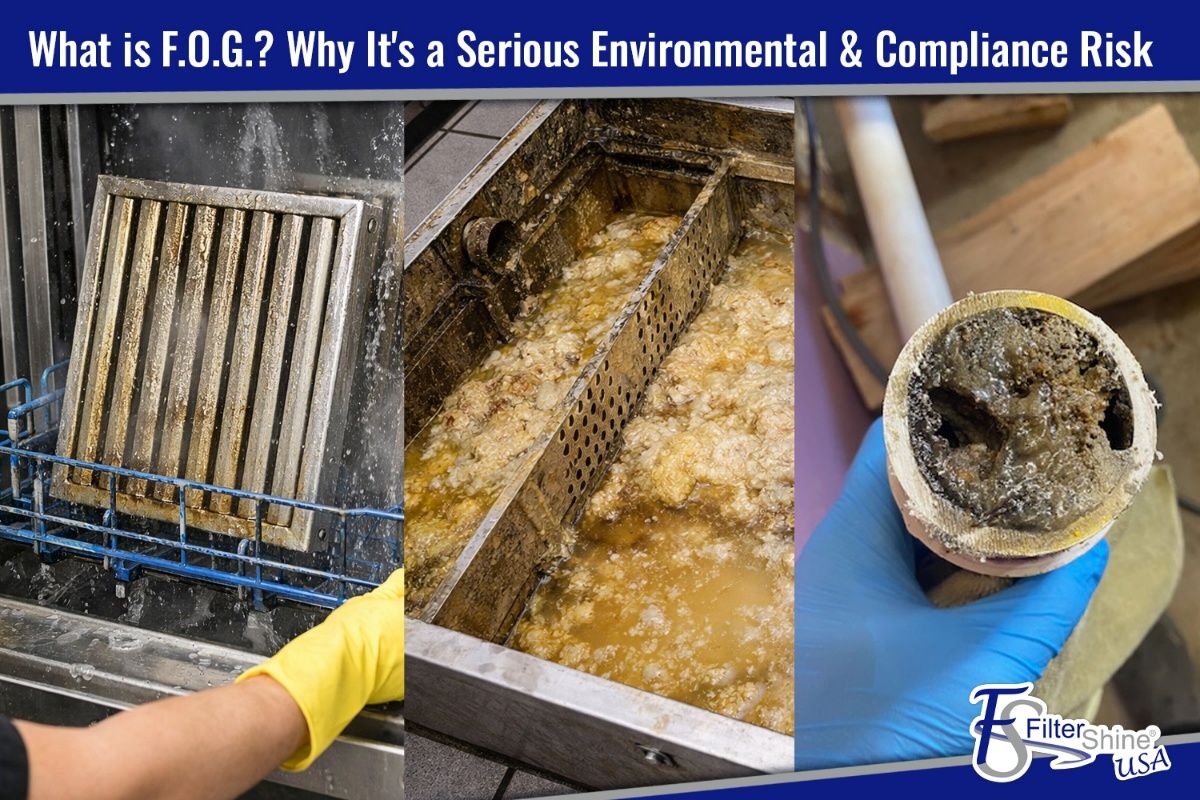
Absolutely NOT. This is against the law in every municipality, every state, and across the entire country. Even with using chemicals to clean them, it’s still illegal. Fats, oils, and grease (FOG) are classified as conventional pollutants under the Clean Water Act, Section 304(a)(4) and 44FR44501. Keep in mind, all storm drains eventually feed to streams, rivers, lakes, and oceans - so even if you don’t see the

damage, it can and will harm the environment downstream. Local jurisdictions will have specific laws about wastewater and storm drain discharge, so reach out to your local municipality for the specific applicable laws and regulations in your own area.


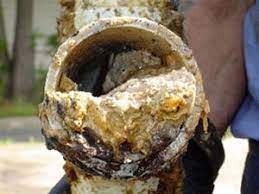
A person is holding a very rusty pipe with a hole in it.

From the EPA: Stormwater runoff is generated from rain and snowmelt events that flow over land or impervious surfaces, such as paved streets, parking lots, and building rooftops, and does not soak into the ground. The runoff picks up pollutants like trash, chemicals, oils, and dirt/sediment that can harm our rivers, streams, lakes, and coastal waters. To protect these resources, communities, construction companies, industries, and others, use stormwater controls, known as best management practices (BMPs). These BMPs filter out pollutants and/or prevent pollution by controlling it at its source.

The NPDES (National Pollutant Discharge Elimination System) stormwater program regulates some stormwater discharges from three potential sources: municipal separate storm sewer systems (MS4s), construction activities, and industrial activities.

Operators of these sources might be required to obtain an NPDES permit before they can discharge stormwater. This permitting mechanism is designed to prevent stormwater runoff from washing harmful pollutants into local surface waters.


All of the grease captured by your hood filters needs to go either into the trash (solids) or through a grease interceptor (grease trap) to ensure it’s not clogging the sewer systems either. All restaurants should have a grease interceptor, but if you don’t, make sure to utilize a grease filter exchange company instead of cleaning them in-house until you have a grease interceptor properly installed.


Whether you’re a restaurant owner or professional kitchen exhaust cleaning service company and you need more information regarding grease filter maintenance or grease filter exchange services, reach out to the author for help in establishing the right maintenance procedures for your staff.

FilterShine logo: a blue

Shayne Buckley, President of FilterShine Front Range (based out of Colorado) is an industry leader in kitchen exhaust systems, code and standards compliance, along with deficiency correction with over 18 years of field and operations experience.

Flames burning brightly against a black background with floating embers.
By Eric Dyer December 17, 2025
Summary: Hood Filters: Nine Service Report Tips for Hood Cleaning Technicians Hood filters are a required frontline fire-safety component under NFPA 96 and must be in place whenever cooking equipment is lit. When properly installed and maintained, UL-listed baffle filters serve two critical purposes: they act as a flame barrier that disrupts and cools flames, and they capture grease-laden vapors before they enter the plenum, ductwork, and exhaust fan. The article explains that filters only work as designed when their metal surfaces are clean, allowing grease vapors to condense, drain through weep holes, and flow into the hood’s grease management system. When filters are grease-coated, misaligned, damaged, or missing, they stop functioning, allow heavier grease to pass downstream, and can even become fuel themselves, significantly increasing the risk of a ventilation fire. The article also highlights “hidden impacts” neglected filters create beyond the hood, including grease accumulation in ducts and rooftop grease mist often mistaken for hood cleaning overspray, plus serious reliability threats to fire suppression systems (fusible links, detection line conduits, pulleys, and nozzles) that can delay or prevent system activation. It provides nine service-report inspection tips for hood cleaning technicians, emphasizing photo documentation to protect the hood cleaning company and to educate restaurant operators on code-compliant practices such as proper filter fit, UL listing, weep-hole orientation, avoiding mesh filters, using matched filter types, addressing solid-fuel spark arrestor requirements, replacing damaged filters, and preventing cooking without filters. Finally, it explains how sink-washing filters with emulsifying degreasers can contribute to grease-trap and sewer problems, and it promotes partnering with reputable filter exchange or soak-tank service companies to keep filters functional between cleanings and strengthen overall kitchen fire prevention. Read Full Article Here: https://flip.matrixgroupinc.net/ikeb/2025/fall/#page=8
Person wearing gloves adjusts a stainless steel kitchen exhaust hood in a commercial setting.
December 9, 2025
FilterShine offers commercial kitchen hood filter management nationwide. Keep your kitchen safe and compliant—call 866-977-4463 or click here to learn more!
Dirty vent filter next to a cleaned one labeled Before and After.
December 9, 2025
Save money and boost efficiency with FilterShine. Expert commercial kitchen hood filter cleaning—contact us today for reliable service!
Perforated metal surface, possibly a grill, with diagonal lines of residue.
December 8, 2025
Click to learn the hidden risks of delaying grease filter exchange service for restaurants and how FilterShine USA offers solutions.
Clean metal grease filters installed in a commercial kitchen ventilation hood.
December 2, 2025
Protect your kitchen with FilterShine’s Grease Filter Exchange Service. For safer restaurant vents, call 866-977-4463 or click here to learn more!
Stainless steel commercial kitchen exhaust hood mounted on a white tiled wall.
By Admin November 4, 2025
Discover how filter exchange helps restaurants clean better, save more, and eliminate filter purchases.
Person wearing gloves scrubbing a metal filter in a sink with a sponge.
By Admin November 4, 2025
Responsible kitchens protect the environment with on-site filter exchange and off-site cleaning.
A large kitchen with a lot of stainless steel appliances
July 11, 2025
Buy top-quality commercial vent hood filters in Elgin, IL. Call FilterShine USA at 866-977-4463 for expert service and dependable filter solutions.
Empty commercial kitchen with stainless steel counters, shelves, and kitchen equipment.
July 8, 2025
Keep your kitchen safe with FilterShine's expert cleaning. Call 866-977-4463 now for your Commercial Kitchen Hood Filters service.
A commercial kitchen with stainless steel counters, appliances, and hanging utensils. Various pots, pans, and ovens are visible.
June 18, 2025
Simplify grease trap maintenance with professional exchange services. Ensure hygiene, prevent plumbing issues, and comply with regulations effortlessly.